
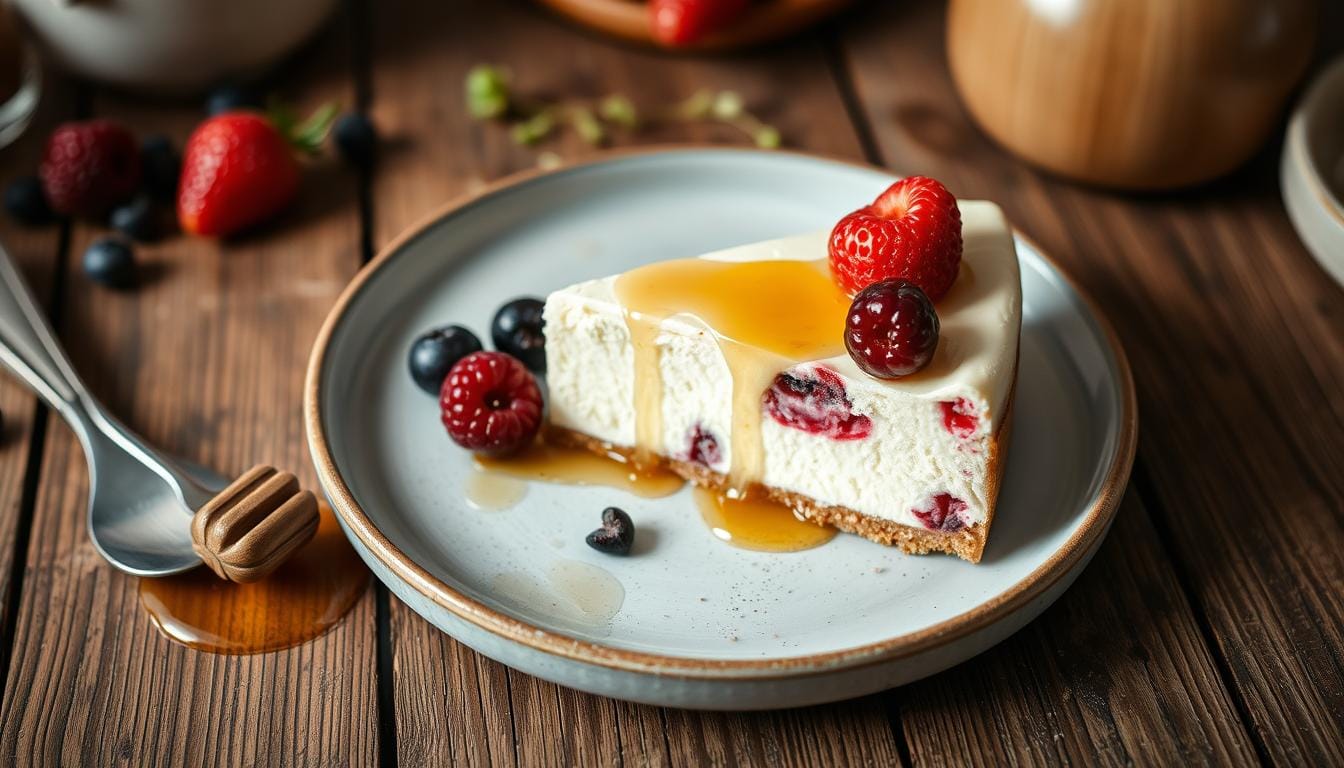
The Ultimate Cottage Cheese Cheesecake Recipe
Welcome to my kitchen! Today, I’m sharing my cottage cheese cheesecake, a dessert that completely changed how I think about healthier baking. I stumbled upon this recipe during a late-night fridge raid when I had a container of cottage cheese about to expire and an intense craving for something sweet.
What started as a creative experiment turned into my most-requested dessert at family gatherings. This recipe is perfect for anyone who loves high protein cheesecake and wants something easy, delicious, and surprisingly guilt-free. The cottage cheese creates an incredibly creamy texture while boosting the protein content, making it a dessert you can actually feel good about enjoying. Let’s dive in and see why this healthy cottage cheese cheesecake is a must-try!
What makes this recipe special is how it balances indulgence with nutrition. Traditional cheesecakes are loaded with cream cheese and heavy cream, but this version uses cottage cheese as the star ingredient. Don’t worry – you won’t taste the cottage cheese at all! When blended properly, it transforms into a silky-smooth filling that rivals any classic cheesecake. I’ve served this to skeptical friends who refused to believe it contained cottage cheese until I showed them the empty container.
The texture is dense yet creamy, the flavor is perfectly sweet with a hint of tanginess, and each slice packs about 12 grams of protein. Whether you’re looking for a post-workout treat or simply want to enjoy dessert without the usual sugar crash, this easy cottage cheese cheesecake delivers on every level.
Table of Contents
Quick Recipe Facts
Prep Time: 20 minutes
Cook Time: 50 minutes
Total Time: 4 hours 20 minutes (including cooling)
Servings: 12 slices
Difficulty: Easy
Calories: Approximately 210 per slice
Friendly touch: This recipe is surprisingly quick and easy – perfect for busy afternoons when you want something impressive without the fuss! Most of the time is hands-off cooling, so you can prep your ingredients for a smooth high protein cheesecake experience and let the oven do the work.
Ingredients
For this cottage cheese cheesecake, you’ll need the following ingredients. The beauty of this recipe is its simplicity – most items are probably already in your kitchen. You can swap regular cottage cheese with low-fat cottage cheese for an even lighter healthy cottage cheese cheesecake version. I prefer full-fat cottage cheese because it creates a richer texture, but I’ve tested both and they work beautifully.
For the Crust:
- 1½ cups graham cracker crumbs (about 10 full crackers)
- ¼ cup melted butter (or coconut oil for dairy-free)
- 2 tablespoons honey or maple syrup
- Pinch of salt
For the Filling:
- 2 cups (16 oz) full-fat cottage cheese, at room temperature
- 8 oz cream cheese, softened (or use all cottage cheese for higher protein)
- ¾ cup granulated sugar (or coconut sugar for a deeper flavor)
- 3 large eggs, at room temperature
- 1 teaspoon vanilla extract
- 2 tablespoons all-purpose flour (or almond flour for gluten-free)
- 2 tablespoons lemon juice
- Zest of 1 lemon (optional, but adds brightness)
- ¼ teaspoon salt
For the Topping (Optional):
- 1 cup sour cream or Greek yogurt
- 2 tablespoons sugar
- ½ teaspoon vanilla extract
Ingredient notes: The cream cheese helps create a smoother texture, but if you’re going for maximum protein, you can use 3 cups of cottage cheese total. Brown sugar adds a rich, caramel undertone that makes your cottage cheese cheesecake incredibly moist and flavorful, though I typically stick with white sugar for a cleaner taste. For the crust, digestive biscuits or vanilla wafers work as excellent alternatives to graham crackers.
Instructions
Step 1: Prepare Your Pan
Preheat your oven to 325°F – this lower temperature helps your cottage cheese cheesecake bake evenly without cracking. Grease a 9-inch springform pan with butter or cooking spray, then line the bottom with parchment paper. This double protection ensures easy removal later. Wrap the outside of the pan with aluminum foil if you’re planning to use a water bath (recommended for extra creaminess).
Step 2: Make the Crust
In a medium bowl, combine graham cracker crumbs, melted butter, honey, and a pinch of salt. Mix with a fork until the mixture resembles wet sand. Press this firmly into the bottom of your prepared pan, using the bottom of a measuring cup to create an even layer. I like going up the sides about an inch for extra crunch. Bake the crust for 10 minutes, then remove and let it cool while you prepare the filling.
Step 3: Blend the Cottage Cheese
This is the secret step! Place the cottage cheese in a blender or food processor and blend on high for 2-3 minutes until completely smooth. Don’t rush this – you want zero lumps. Scrape down the sides halfway through to ensure everything blends evenly. The mixture should look like thick cream when finished.
Step 4: Mix the Filling
In a large mixing bowl, beat the softened cream cheese and sugar together using an electric mixer on medium speed until fluffy, about 2 minutes. Add the blended cottage cheese and mix until combined. For a soft easy cottage cheese cheesecake, don’t overbeat at this stage – you want to incorporate air gently, not create bubbles that will cause cracks.
Step 5: Add Remaining Ingredients
Beat in the eggs one at a time, mixing just until each is incorporated. Add vanilla extract, lemon juice, lemon zest, flour, and salt. Mix on low speed until everything is combined and the batter is smooth. I like using a wooden spoon for the final mixing; it just works better and gives you more control. The batter should be thick but pourable.
Step 6: Bake the Cheesecake
Pour the filling over the cooled crust and smooth the top with a spatula. If using a water bath, place the springform pan inside a larger roasting pan and add hot water until it reaches halfway up the sides. Bake for 50-55 minutes. The cheesecake is done when the edges are set but the center still jiggles slightly – it will continue cooking as it cools.
Step 7: Cool Properly
Turn off the oven and crack the door open. Let the cheesecake sit inside for 1 hour. This gradual cooling prevents cracking. After an hour, remove from the oven and let it cool completely at room temperature, then refrigerate for at least 3 hours or overnight. Patience is key here!
Step 8: Add Optional Topping
If using the sour cream topping, mix sour cream, sugar, and vanilla together. Spread it over the cooled cheesecake before the final chill. This adds a beautiful tangy layer that complements the sweetness perfectly.
Pro Tips
Tip 1: Don’t skip blending the cottage cheese thoroughly – this is what transforms it from grainy to gorgeously smooth. I blend mine for a full 3 minutes to be absolutely certain.
Tip 2: Use room temperature ingredients for a fluffier cottage cheese cheesecake. Cold cream cheese creates lumps, and cold eggs don’t incorporate as smoothly. Leave everything out for about 30 minutes before starting.
Tip 3: Swap regular sugar with coconut sugar or monk fruit sweetener for a healthier high protein cheesecake twist. I’ve used both successfully, though coconut sugar gives a slightly caramel flavor.
Tip 4: Grease your pan thoroughly and use parchment paper – trust me, it makes a difference! Nothing is sadder than a cheesecake that sticks and tears when you try to remove it.
Tip 5: The water bath might seem fussy, but it creates steam that keeps your cheesecake moist and prevents the top from drying out or cracking. If you skip it, just place a pan of hot water on the rack below your cheesecake.
Tip 6: Run a thin knife around the edges of the pan as soon as the cheesecake comes out of the oven. This prevents it from pulling and cracking as it cools and contracts.
Serving Suggestions
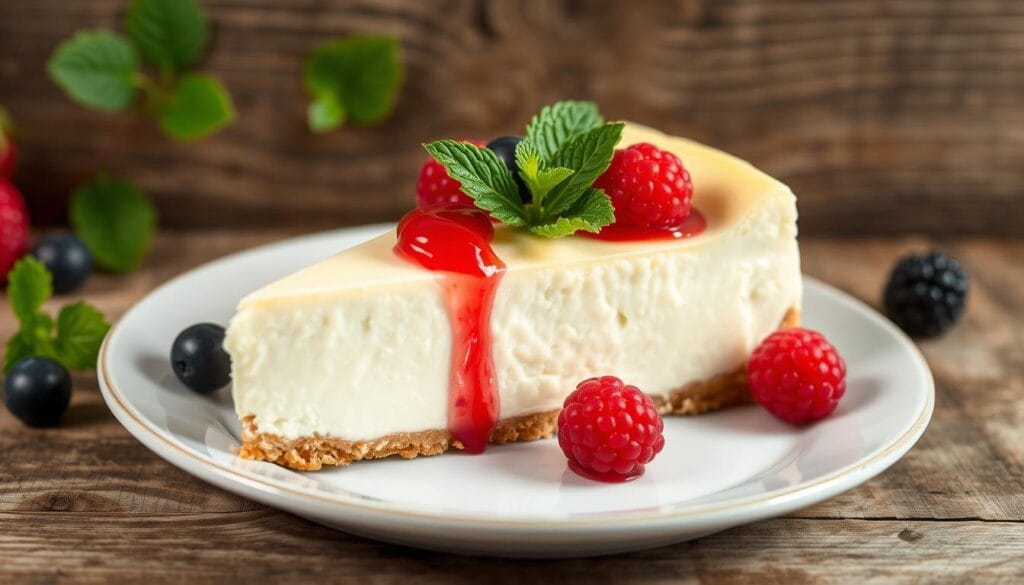
This cottage cheese cheesecake is incredibly versatile when it comes to serving. I love it best chilled and topped with fresh berries – the tartness of raspberries or the sweetness of strawberries pairs beautifully with the creamy filling. For an elegant presentation, arrange berries in a circular pattern on top and dust with powdered sugar.
Serve slices at room temperature or slightly chilled, depending on your preference. I find that letting it sit out for about 15 minutes before serving enhances the flavors. Pair with coffee for breakfast (yes, this has enough protein to qualify!), hot tea for an afternoon treat, or fresh mint tea after dinner.
For special occasions, add a dollop of whipped cream and a drizzle of honey on each slice. Berry compote made from simmered mixed berries with a touch of sugar creates a restaurant-worthy presentation. A chocolate ganache drizzle transforms it into a decadent dessert, while lemon curd adds brightness. These serving ideas elevate your healthy cottage cheese cheesecake experience from simple to spectacular.
Kids love it with a scoop of vanilla ice cream, though honestly, it’s delicious enough on its own. I’ve even served thin slices alongside brunch spreads, and guests always come back for seconds.
Storage & Reheating
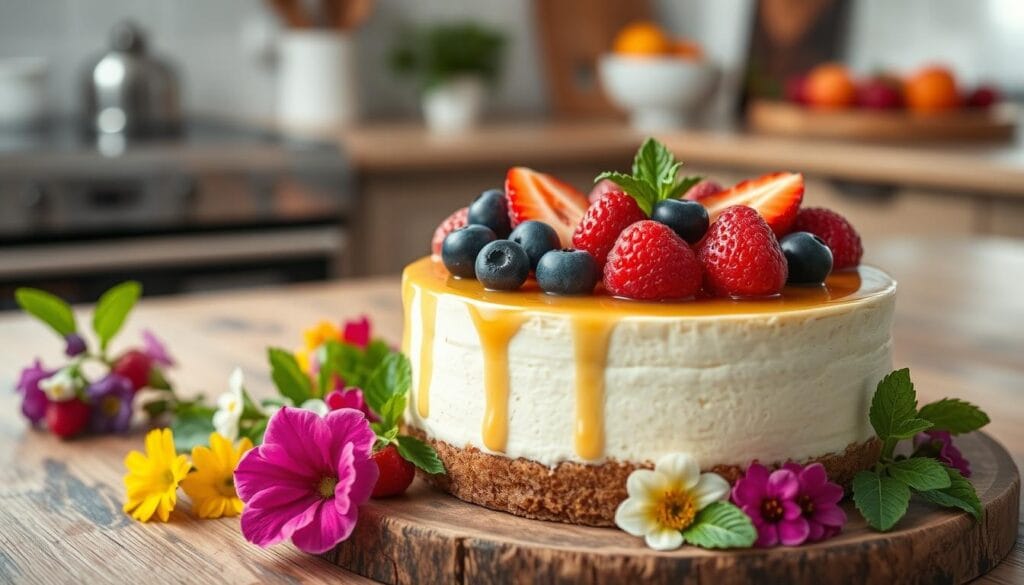
Store your cottage cheese cheesecake in the refrigerator – unlike regular cakes, this one needs to stay cold to maintain its texture. Cover it tightly with plastic wrap or aluminum foil, or keep it in an airtight container for 5-7 days. The cheesecake actually tastes better the day after baking as the flavors meld together.
Can you freeze it? Absolutely! Slice the cheesecake and wrap individual pieces in plastic wrap, then place them in a freezer-safe container or bag. Leftover cottage cheese cheesecake stays perfectly moist when stored this way and can be frozen for up to 3 months. Thaw slices in the refrigerator overnight before serving.
Unlike regular cake, you won’t need to reheat this cheesecake – it’s meant to be served cold. However, if you prefer it slightly softer, let it sit at room temperature for 20-30 minutes before eating. Avoid the microwave as it can make the texture grainy and cause the filling to weep.
Pro storage tip: Place a piece of parchment paper directly on any cut surface before wrapping. This prevents the cheesecake from absorbing refrigerator odors and keeps the exposed edge from drying out.
Health & Nutrition Info
This healthy cottage cheese cheesecake offers significant nutritional advantages over traditional versions. Each slice contains approximately 210 calories, 12 grams of protein, 15 grams of carbohydrates, and 11 grams of fat. Compare that to regular cheesecake, which typically runs 400+ calories per slice with minimal protein.
The cottage cheese brings more than just protein – it’s packed with calcium, B vitamins, and probiotics that support gut health. Using less sugar than traditional recipes means you’ll avoid the energy crash that often follows dessert. I’ve had clients tell me they eat this for breakfast during busy weeks because it keeps them satisfied for hours.
Can this be made dairy-free? While challenging, it’s possible using dairy-free cream cheese and coconut yogurt in place of cottage cheese, though the protein content will decrease. For gluten-free needs, simply swap the flour with almond flour or cornstarch and use gluten-free graham crackers for the crust.
Want to reduce sugar further? I’ve successfully made this with half the sugar listed, relying on the natural sweetness of vanilla and adding extra lemon zest for flavor complexity. Stevia or erythritol work well as substitutes, though they can sometimes create a slight cooling aftertaste.
This healthier high protein cheesecake option is perfect for weekend treats when you want something indulgent that aligns with wellness goals. It’s also fantastic for athletes, busy professionals, or anyone looking to add more protein to their diet without sacrificing dessert.
Conclusion
There you have it – a cottage cheese cheesecake that’s creamy, delicious, and packed with protein! This recipe has become my go-to when I want to impress guests without spending hours in the kitchen or feeling guilty about dessert. The combination of cottage cheese and cream cheese creates a texture that’s indistinguishable from traditional cheesecake, while the protein content makes it a smarter choice for any time of day.
What I love most is how adaptable this recipe is. You can make it completely plain for a classic flavor, add cocoa powder for chocolate lovers, swirl in fruit preserves for variety, or top it with literally anything your heart desires. It works for birthday parties, holiday gatherings, meal prep Sundays, or Tuesday nights when you just want something sweet.
Try this cottage cheese cheesecake and let me know how it turned out! I’d love to hear about your favorite toppings or any creative variations you discover. Drop a comment below with your experience, rate the recipe if you enjoyed it, and share photos on social media – tag me so I can see your beautiful creations!
If you loved this recipe, check out my other protein-packed desserts like Greek yogurt brownies, protein peanut butter cups, and high-protein banana bread. Your taste buds and your muscles will thank you!
FAQ
Can I freeze this cottage cheese cheesecake?
Yes! Your cottage cheese cheesecake can be frozen for up to 3 months. Slice it first, wrap each piece individually in plastic wrap and foil, then store in a freezer-safe container. Thaw overnight in the refrigerator before serving. The texture remains creamy and delicious after freezing.
What if I don’t have a springform pan?
You can use a regular 9-inch cake pan lined with parchment paper, leaving extra hanging over the sides to lift the cheesecake out. Alternatively, make individual cheesecakes in a muffin tin – just reduce the baking time to 25-30 minutes.
Can I make this easy cottage cheese cheesecake ahead of time?
Absolutely! This is actually ideal for make-ahead desserts. Prepare it 1-2 days before you need it and store covered in the refrigerator. The flavors develop and deepen as it sits, making it taste even better.
How can I adjust the sweetness?
Start with ½ cup of sugar and taste the batter before baking (raw eggs are safe to taste in small amounts in most regions, but skip this if you’re concerned). Add more sugar gradually until it reaches your preferred sweetness level. Remember that cheesecake tastes less sweet after chilling.
What’s the best cottage cheese to use?
Full-fat cottage cheese with large curds works best, but small curd works too. Brands like Good Culture, Daisy, or Breakstone’s are excellent choices. The key is blending it completely smooth – the curd size doesn’t matter once it’s processed. Low-fat cottage cheese is fine but produces a slightly less rich result.
Why did my cheesecake crack?
Cracks usually happen from overbaking, cooling too quickly, or skipping the water bath. The gentle cooling method (leaving it in the turned-off oven with the door cracked) is crucial. Don’t worry though – cracks don’t affect taste, and you can always cover them with toppings!
Can I make this no-bake?
While this recipe requires baking, you can make a cottage cheese cheesecake no bake version by using gelatin to set the filling. Blend cottage cheese with cream cheese, sugar, vanilla, and dissolved gelatin, pour over a no-bake crust, and refrigerate until firm (about 4 hours).
Is there a vegan version?
While cottage cheese is inherently dairy-based, you could experiment with blended silken tofu as a substitute, though this significantly changes the recipe’s character. Vegan cream cheese alternatives work, but the result will be quite different from this specific cottage cheese version.
Have You Tried Our Recipe?
There are no reviews yet. Be the first one to write one.