

Easy Homemade Kefir Sheet Cake Recipe Card
Welcome to my kitchen! Today, I’m sharing my kefir sheet cake recipe, a dessert that’s always a hit at family gatherings and potlucks. Embark on a delightful journey of baking with this kefir sheet cake recipe. This moist, tangy cake not only reflects the essence of traditional Czech baking but also brings the health benefits of kefir into your kitchen. I absolutely love how this recipe combines tradition with wellness – it’s not every day you find a dessert that tastes amazing and is actually good for you!
The inclusion of kefir in this recipe makes it a healthier dessert choice, providing probiotics that aid in digestion, alongside a soft and airy texture. This is perfect for anyone who loves kefir sheet cake recipe card and wants something easy, delicious, and fun to bake. Whether you’re a seasoned baker or just starting out, this recipe will become your go-to for any occasion. The tangy flavor of kefir pairs beautifully with sweet toppings, and the texture is simply divine – moist, tender, and absolutely irresistible. Let’s dive in and see why this kefir sheet cake is a must-try!
Table of Contents
Quick Recipe Facts
Prep Time: 15 minutes
Cook Time: 20-25 minutes
Total Time: 35-40 minutes
Servings: 12-16 servings
Difficulty: Easy
Calories: 250 per serving
Friendly touch: This recipe is surprisingly quick and easy – perfect for busy afternoons when you want something homemade without spending hours in the kitchen! The probiotic-rich ingredients make this a healthier dessert option that doesn’t compromise on taste.
Ingredients
For this kefir sheet cake, you’ll need the following ingredients. You can swap butter with oil for a lighter homemade sheet cake version, or use buttermilk if you don’t have kefir on hand. The granulated sugar adds sweetness that balances the tangy kefir beautifully, making your kefir sheet cake moist and delicious.
Dry Ingredients:
- 2 cups all-purpose flour
- 1 cup granulated sugar
- 1 teaspoon baking soda
Wet Ingredients:
- 1 cup kefir (preferably plain, unsweetened), or use buttermilk
- 3 large eggs
- 1/2 cup unsalted butter or oil
- 1 teaspoon vanilla extract
Optional Add-ins (to Enhance Flavor):
- 1/4 cup chopped nuts (e.g., walnuts or almonds)
- 1/2 cup shredded coconut
- 1/2 cup chocolate chips
- 1/2 cup fresh fruit (like blueberries or raspberries)
Note: The beauty of this recipe is its flexibility. Feel free to customize it with your favorite add-ins to make it uniquely yours!
Instructions
Let me walk you through each step to ensure your kefir sheet cake turns out perfectly every single time. These detailed instructions will help you avoid common pitfalls and achieve bakery-quality results right in your own kitchen.
Step 1: Preheat Your Oven
Set your oven to 350°F (175°C) – this helps your kefir sheet cake bake evenly. Position the rack in the middle of the oven to ensure even baking. I always preheat for at least 10 minutes to make sure the temperature is stable before the cake goes in.
Step 2: Prepare the Dry Ingredients
In a large bowl, whisk together the flour, baking soda, and granulated sugar. Mix the dry ingredients gently – this is an important step that helps distribute the leavening agent evenly throughout your batter. For a soft kefir sheet cake, taking time with this step really matters.
Step 3: Combine Wet Ingredients
In a separate bowl, whisk the kefir, eggs, and vanilla extract until smooth and well combined. I like making sure everything is at room temperature first – it just works better and creates a smoother batter.
Step 4: Blend Wet and Dry Ingredients
Slowly pour the wet ingredients into the dry ingredients, stirring constantly with a spoon or spatula. Mix until a smooth batter forms. Don’t overbeat! This is crucial for maintaining that tender, fluffy texture we’re after.
Step 5: Add Butter or Oil
Add the softened butter or oil to the batter and mix until fully incorporated. Fold in wet ingredients slowly – this gentle approach prevents overworking the gluten and keeps your cake light and airy.
Step 6: Optional Add-ins
If you’re using any optional ingredients (e.g., shredded coconut, chocolate chips, or fresh fruit), gently fold them into the batter. Use a folding motion rather than stirring to keep the batter light.
Step 7: Bake
Transfer the batter into a greased 9×13-inch baking pan, spreading it evenly. Bake for 20-25 minutes, or until a toothpick inserted into the center comes out clean. Keep an eye on it during the last few minutes to avoid overbaking.
Step 8: Cool the Cake
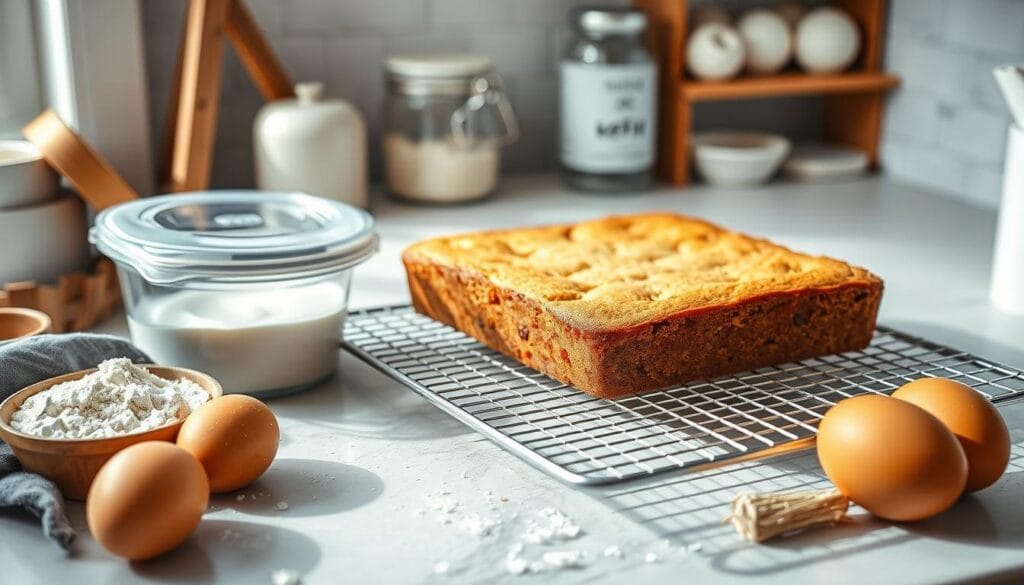
Allow the cake to cool in the pan for 10-15 minutes, then move it to a wire rack to cool completely. This prevents the bottom from getting soggy and allows for easier frosting later.
Pro Tips
Here are my tried-and-true tips for making the best kefir sheet cake every single time:
Tip 1: Room Temperature Ingredients – For the best result, make sure your eggs and kefir are at room temperature. This helps to ensure a smooth batter and prevents curdling. I usually take them out of the fridge about 30 minutes before baking.
Tip 2: Sifting the Flour – Sifting the flour before mixing helps create a lighter, fluffier texture in your cake. Don’t skip chilling the batter if you’re making it ahead – it helps the cake rise evenly. This extra step truly makes a difference in the final texture!
Tip 3: Avoid Overmixing – Mix the batter only until the ingredients are just combined. Overmixing can result in a dense cake. Trust me on this one – once you can’t see dry flour anymore, stop mixing!
Tip 4: Test for Doneness – Use a toothpick or skewer inserted into the center of the cake. The cake is ready if the toothpick comes out clean. Otherwise, bake for a few more minutes. Grease your pan thoroughly to prevent sticking – a light coating of butter or cooking spray works wonders.
Tip 5: Use room temperature eggs for a fluffier kefir sheet cake. Cold eggs can cause the batter to seize up and won’t incorporate as smoothly.
Common Problems and Solutions
Even experienced bakers run into issues sometimes. Here’s how to troubleshoot common problems with your homemade sheet cake:
Cake is Too Dense: This could happen if the batter was overmixed or the baking soda wasn’t fully activated by the kefir’s acidity. Make sure to mix gently and check that your kefir is fresh. The acidity in fresh kefir is essential for proper leavening.
Cake is Too Dry: If the cake turns out dry, it may have been overbaked. Always check doneness early, and consider using oil instead of butter for added moisture. Oil-based cakes tend to stay moister longer than butter-based ones.
Cake Falls in the Middle: This may be due to an oven temperature that’s too high. Use an oven thermometer to verify the baking temperature is accurate. Opening the oven door too early can also cause this, so resist peeking until at least 15 minutes into baking!
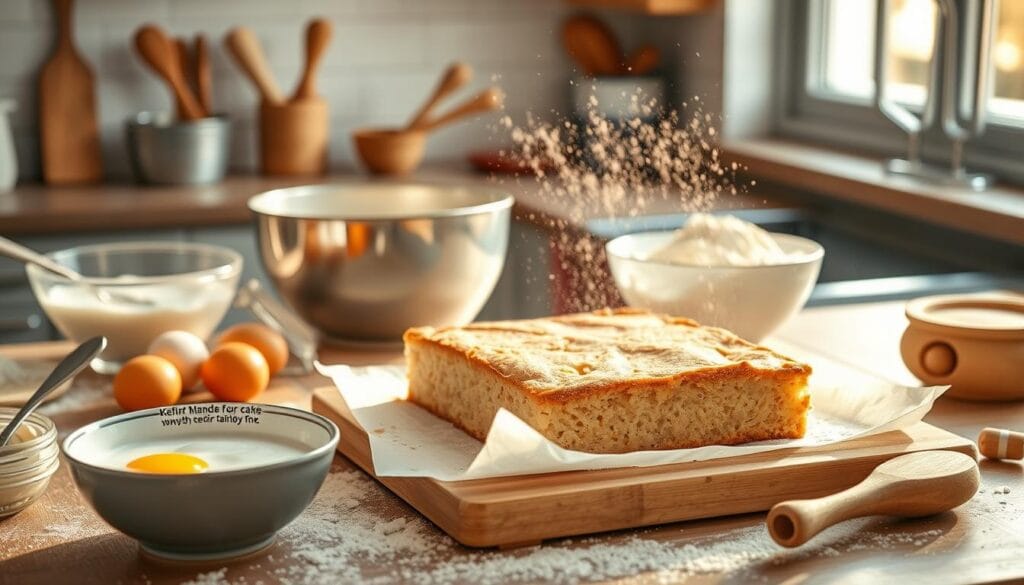
A finished kefir sheet cake recipe card with garnishing ideas.
Innovative Garnishing Ideas
The fun part about this kefir sheet cake is decorating it! Here are some creative ways to make your cake look as good as it tastes:
Cream Cheese Frosting
Make a creamy, tangy frosting with cream cheese, butter, powdered sugar, and a touch of vanilla extract. This classic pairing is absolutely divine with the tangy cake base.
Whipped Cream
For a lighter topping, whipped cream provides a soft and fluffy finish to the cake. It’s perfect for those who prefer less-sweet desserts.
Berry Compote
Top the cake with a sweet and tangy berry compote made from fresh or frozen berries. This adds color and extra flavor while complementing the kefir’s tanginess beautifully.
Chopped Nuts
Sprinkle toasted walnuts, almonds, or pecans on top for a crunchy texture. The contrast between the soft cake and crunchy nuts is delightful!
Fresh Fruits
Decorate with fresh fruits such as raspberries, blueberries, or thin slices of citrus for a refreshing contrast. These bright toppings make the cake look stunning for special occasions.
Chocolate Drizzle
Drizzle melted dark chocolate or caramel sauce on top for a decadent touch. A simple drizzle can transform this simple cake into an elegant dessert!
Serving Suggestions
This kefir sheet cake is incredibly versatile when it comes to serving. Here are some ideas to elevate your homemade sheet cake experience:
- Serve warm or at room temperature – both ways are absolutely delicious
- Pair with coffee, tea, or fresh fruit for a complete dessert experience
- Add a dollop of whipped cream or a scoop of vanilla ice cream for extra indulgence
- Slice it into squares for easy serving at parties or potlucks
- Serve alongside fresh berries for a lighter, refreshing combination
These serving ideas elevate your homemade sheet cake experience and make it suitable for any occasion, from casual family dinners to elegant gatherings.
Storage and Reheating Information
Proper storage keeps your kefir sheet cake tasting fresh and delicious for days. Here’s everything you need to know:
Room Temperature: Unfrosted kefir sheet cakes can be stored at room temperature for up to 3 days. Wrap tightly in plastic wrap or store in an airtight container to keep it moist. Leftover kefir sheet cake stays moist when stored properly – just make sure it’s completely covered.
Refrigeration: If the cake is frosted, store it in the refrigerator for up to 1 week. Be sure to cover the cake to keep it from drying out. Let it come to room temperature for about 20 minutes before serving for the best flavor and texture.
Freezing: To store the cake for a longer period, freeze it unfrosted. Wrap it tightly in plastic wrap and aluminum foil. It will last up to 3 months. Thaw overnight in the fridge before serving. This is perfect for making ahead for holidays or special occasions!
Reheating: Reheat in the oven at 300°F for about 10 minutes or microwave individual slices for 15-20 seconds to refresh texture. Avoid the fridge if you want to keep it at its softest and most tender.
Health & Nutrition Info
One of the best things about this kefir sheet cake is that it’s a healthier dessert option compared to traditional cakes. Let me break down the nutritional benefits:
Nutrition (Per Serving)
- Calories: 250
- Total Fat: 12g
- Saturated Fat: 3g
- Cholesterol: 60mg
- Sodium: 300mg
- Total Carbohydrates: 30g
- Dietary Fiber: 3g
- Sugars: 15g
- Protein: 8g
- Calcium: 200mg
Kefir’s probiotics and calcium make this dessert a healthier option than traditional cakes. It provides gut-friendly bacteria and promotes strong bones. The fermentation in kefir also helps break down lactose, making it easier to digest for those with mild lactose sensitivity.
This healthier homemade sheet cake option is perfect for weekend treats when you want something sweet but also nutritious. Can be made dairy-free or gluten-free with substitutions – simply use your favorite alternative milk kefir and gluten-free flour blend. Consider swaps for lower sugar or healthier fats, such as using coconut sugar or avocado oil, to make it even more nutritious.
Conclusion
This Kefir Sheet Cake Recipe offers a wonderful way to explore the world of kefir in baking. By adding kefir, a probiotic-rich ingredient, you not only create a moist and flavorful cake, but you also bring health benefits into your dessert. With endless variations and creative garnishing options, this kefir sheet cake is perfect for any celebration or casual treat.
Try this kefir sheet cake and let me know how it turned out! I’d love to hear about your experience and any creative variations you tried. The combination of traditional Czech baking techniques with modern health consciousness makes this recipe truly special. Enjoy baking this homemade kefir sheet cake, and let it inspire new ideas for your future kefir-based creations.
Don’t forget to rate this recipe and share it on social media with your friends and family! If you loved this recipe, be sure to check out my other homemade sheet cake recipes for more delicious inspiration. Happy baking!
FAQ
What is kefir, and how is it different from regular yogurt?
Kefir comes from Eastern Europe and Western Asia. It has a tangy flavor and contains live probiotic cultures, setting it apart from yogurt. Kefir is thinner and more drinkable than yogurt, making it a unique addition to this kefir sheet cake recipe. The probiotic content is also typically higher in kefir than in yogurt.
What makes kefir a great ingredient for baking cakes?
Kefir makes baked goods moist and tender. It adds a tangy flavor and works perfectly in this kefir sheet cake. The fermentation process also helps to relax the gluten in the flour, yielding a tender crumb. This is why kefir cakes have such an amazing texture!
What health benefits does kefir offer when used in cakes?
Kefir is full of probiotics, which are great for your gut and immune system. This kefir sheet cake showcases how kefir can make a dessert both healthy and delicious. It is also packed with calcium, protein, and essential vitamins that support overall health.
Can I use flavored kefir in the recipe?
You can use flavored kefir, but be cautious of added sugars. For the best results in this kefir sheet cake, plain, unsweetened kefir is recommended to preserve the tangy flavor. If you do use flavored kefir, consider reducing the sugar in the recipe slightly.
How long does a kefir sheet cake last?
Unfrosted cakes can be stored at room temperature for up to 3 days. Frosted cakes should be refrigerated and can last up to 1 week. For longer storage, yes, your kefir sheet cake can be frozen for up to 3 months. Just make sure to wrap it properly to prevent freezer burn.
Can I make substitutions in the recipe?
Yes, you can! This kefir sheet cake is flexible—try using gluten-free flour, plant-based milk kefir, or natural sweeteners. Add-ins like chocolate chips, dried fruits, or nuts can enhance the flavor and texture. The recipe is very forgiving and adapts well to various dietary needs.
Can I make it ahead of time?
Absolutely! This cake actually tastes even better the next day as the flavors have time to meld together. You can bake it a day ahead and store it covered at room temperature, or freeze it weeks in advance for special occasions.
How can I adjust sweetness?
If you prefer a less sweet cake, you can reduce the sugar to 3/4 cup. Keep in mind that sugar also affects moisture and texture, so don’t reduce it by more than 1/4 cup. You can always add sweetness through frosting or toppings instead!
Have You Tried Our Recipe?
There are no reviews yet. Be the first one to write one.