

Perfect 1920s Recipe For Chocolate Cake
Welcome to my kitchen! Today, I’m sharing my 1920s recipe for chocolate cake, a dessert that’s always a hit and takes you on a delicious journey back in time. Chocolate cake is a beloved dessert that has evolved through the years, delighting generations with its rich flavor and smooth texture. However, if you’re interested in making a truly nostalgic cake that takes you back to the early 20th century, a 1920s recipe for chocolate cake is an exciting way to experience chocolate cake history.
This recipe has been passed down through generations and boasts a rich, old-fashioned charm that you simply won’t find in modern recipes. I first discovered this vintage chocolate cake recipe while exploring my grandmother’s old recipe box, and it instantly became a favorite in our household. The texture is incredibly moist, the chocolate flavor is deep and authentic, and there’s something magical about baking a cake the way our great-grandmothers did during the Roaring Twenties.
This recipe is perfect for anyone who loves authentic 1920s chocolate cake and wants something easy, delicious, and fun to bake. Whether you’re planning a vintage-themed party, celebrating a special occasion, or simply want to experience history through food, this historic chocolate cake recipe will transport you to a simpler time when desserts were made with care and wholesome ingredients. The beauty of this recipe lies in its simplicity – no fancy equipment needed, just good old-fashioned baking techniques that produce extraordinary results. Let’s dive in and see why this 1920s recipe for chocolate cake is a must-try!
Table of Contents
Quick Recipe Facts
- Prep Time: 20 minutes
- Cook Time: 30-35 minutes
- Total Time: 50-55 minutes
- Servings: 12 slices
- Difficulty: Easy to Moderate
- Calories: 350-400 per serving (without frosting adjustments)
Friendly touch: This recipe is surprisingly quick and easy – perfect for busy afternoons when you want to impress your family with something special! The batter comes together in less than 20 minutes, and the results are absolutely worth every second. Prep your ingredients for a smooth vintage chocolate cake recipe experience, and you’ll be amazed at how effortlessly this cake comes together.
Essential Ingredients
For this 1920s recipe for chocolate cake, you’ll need the following ingredients. The beauty of this vintage recipe is its simplicity – each ingredient serves a specific purpose in creating that authentic, old-fashioned texture and flavor that made this cake a household favorite during the Roaring Twenties.
For the Cake:
- All-purpose flour – 1 ¾ cups (You can swap with cake flour for an even lighter texture, but all-purpose works beautifully for that classic vintage chocolate cake recipe feel)
- Granulated sugar – 1 ½ cups (Brown sugar can be substituted for half the amount if you want a deeper, caramel-like flavor that makes your 1920s recipe for chocolate cake even more moist and delicious)
- Unsweetened cocoa powder – ¾ cup (preferably Dutch-processed for a richer flavor – this is what gives the cake its deep, authentic chocolate taste)
- Baking powder – 1 ½ teaspoons (Essential for that perfect rise)
- Baking soda – 1 teaspoon (Works with the buttermilk to create a tender crumb)
- Salt – ½ teaspoon (Never skip this – it enhances all the flavors)
- Buttermilk – 1 cup (For the authentic taste of vintage chocolate cakes, buttermilk is crucial. It’s the secret ingredient that our great-grandmothers swore by!)
- Vegetable oil – ½ cup (You can swap butter with coconut oil for a lighter authentic 1920s chocolate cake version if desired)
- Eggs – 2 large eggs (Room temperature – this is really important for proper mixing)
- Vanilla extract – 1 teaspoon (To give a deeper flavor that complements the chocolate perfectly)
- Boiling water – 1 cup (This ingredient helps make the batter smooth and lighter – don’t worry when the batter looks thin, that’s exactly what you want!)
For the Classic Frosting:
For the frosting, the classic chocolate buttercream or a simple chocolate ganache was often used in the 1920s. Here’s what you’ll need for that authentic vintage touch:
- Unsalted butter – 1 cup (softened to room temperature)
- Powdered sugar – 4 cups (Sifted to avoid lumps)
- Cocoa powder – ½ cup (For that rich chocolate flavor)
- Vanilla extract – 1 teaspoon (Enhances the chocolate notes)
- Milk – 3-4 tablespoons (adjust to desired consistency – add more for a lighter, fluffier frosting)
Pro tip: All ingredients should be at room temperature before you begin. This simple step makes a huge difference in how well everything combines and ultimately affects the texture of your finished cake.
Detailed Instructions for Preparing the Cake
Now that you have the ingredients ready, let’s go step by step to make this historic chocolate cake recipe. Take your time with each step – baking is as much about the journey as it is about the destination!
Step 1: Prepare the Oven and Pans
Preheat your oven to 350°F (175°C) – this helps your 1920s recipe for chocolate cake bake evenly and ensures that perfect, tender crumb we’re looking for. While the oven is heating, grease and flour two 9-inch round cake pans, or line them with parchment paper.
Greasing the pans ensures that the cakes come out easily, and parchment paper helps with a smooth finish on the cake. I like to use both butter and flour for greasing because it creates a protective barrier that prevents sticking. Trust me, there’s nothing worse than a beautiful cake that sticks to the pan!
Step 2: Mix the Dry Ingredients
In a medium bowl, sift the flour, cocoa powder, baking powder, baking soda, and salt together. Mix the dry ingredients gently – sifting removes any clumps in the cocoa powder and ensures even distribution of dry ingredients, which contributes to a light and fluffy cake.
This step might seem tedious, but it’s crucial for achieving that authentic vintage chocolate cake recipe texture. Our grandmothers never skipped this step, and neither should we! For a soft 1920s recipe for chocolate cake, don’t rush through the sifting process.
Step 3: Mix the Wet Ingredients
In a separate large mixing bowl, whisk together the sugar, eggs, buttermilk, vegetable oil, and vanilla extract. Beat them until they are smooth and well combined – you’re looking for a homogeneous mixture where the sugar begins to dissolve into the liquids.
I like using a wooden spoon for this part initially, then switching to a whisk once everything starts coming together. It just works better and gives you more control over the mixing process. The mixture should look pale and slightly frothy when properly combined.
Step 4: Combine Wet and Dry Ingredients
Gradually add the dry ingredients to the wet mixture, mixing gently with a spatula or a hand mixer. Mix until just combined. Be careful not to overmix the batter, as this could result in a dense cake – and we definitely don’t want that!
Fold in the dry mixture slowly, using gentle circular motions. You’ll see the batter transform from loose and liquidy to thick and luxurious. Stop mixing as soon as you no longer see streaks of flour. This is where patience really pays off in creating that tender, melt-in-your-mouth texture.
Step 5: Add Boiling Water
Slowly stir in the boiling water. The batter will be thin, but that’s completely fine! Don’t panic when you see how liquidy it becomes – this is the magic of this vintage recipe. The boiling water helps the cake bake to a soft, moist texture, which was characteristic of cakes from the 1920s recipe for chocolate cake.
This technique was revolutionary in its time and remains one of the secrets to this cake’s incredible moistness. The hot water actually “blooms” the cocoa powder, intensifying the chocolate flavor and creating a cake that stays moist for days.
Step 6: Bake the Cake
Evenly divide the batter between the prepared cake pans and bake for 30 to 35 minutes, or until a toothpick inserted into the center comes out clean. The cakes should spring back lightly when touched, and the edges will just begin to pull away from the sides of the pan.
Allow the cakes to cool in the pans for 10 minutes – this cooling period is essential! If you try to remove them too soon, they might break apart. Then transfer them to a wire rack to cool completely. Be patient here; frosting a warm cake will result in melted, runny frosting.
Step 7: Frost the Cake
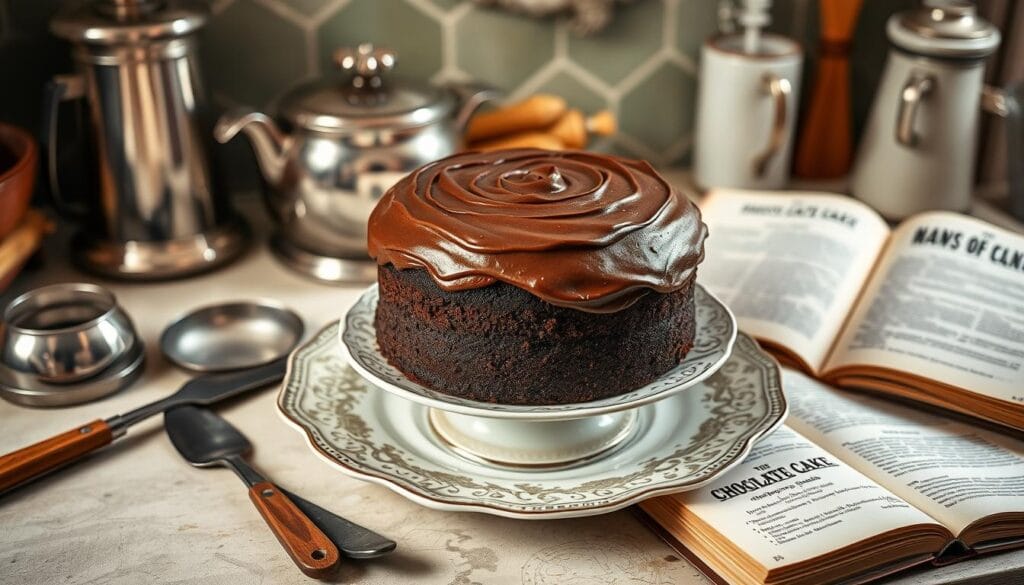
Once the cakes have cooled, you can frost them with your preferred frosting. For a vintage touch, make a rich chocolate buttercream or pour a smooth chocolate ganache over the cake. Spread the frosting evenly, covering the top and sides of the cake with generous, swooping strokes.
Place the first layer on your serving plate, spread frosting on top, then carefully place the second layer. Frost the top, then work your way down the sides. For a truly authentic look, use the back of a spoon to create swirls and peaks in the frosting – this was a popular decorating technique in the 1920s.
Important vintage baking note: For a classic 1920s chocolate cake, remember the difference between old and new ovens. Modern ovens are precise but miss the smoky taste of wood-fired ones. To fix this, use high-quality cocoa powder or a bit of espresso (1 teaspoon dissolved in the boiling water) to boost flavor and add that depth that vintage cakes were known for.
Pro Tips for Success
Making a classic 1920s chocolate cake doesn’t have to be difficult if you follow these tips for success. These are the secrets that have been passed down through generations!
Tip 1: Use Room Temperature Ingredients – Make sure your eggs, buttermilk, and butter are at room temperature before mixing. This ensures better emulsification, resulting in a smoother batter and more consistent cake texture. Cold ingredients simply don’t combine as well and can lead to a lumpy batter.
Tip 2: Sift Dry Ingredients Thoroughly – Sifting the dry ingredients helps to eliminate clumps, particularly in the cocoa powder. This step can prevent a lumpy batter and results in an even texture in the cake. Don’t skip chilling the batter if you live in a warm climate – it helps the cake rise evenly and prevents the butter in your frosting from melting.
Tip 3: Do Not Overmix – Overmixing the batter can cause the cake to become dense and tough. Stir just until everything is combined for a light, fluffy result. Think of it as a gentle folding motion rather than vigorous beating. Use room temperature eggs for a fluffier 1920s recipe for chocolate cake.
Tip 4: Check the Cake Early – Ovens can vary significantly, so check your cake a few minutes before the suggested baking time. When a toothpick comes out clean or with just a few moist crumbs, your cake is ready to be removed. Start checking at the 28-minute mark.
Tip 5: Grease Your Pans Thoroughly – Trust me, it makes a difference! Use butter or shortening and make sure to coat every corner and crevice of your pans. Then dust with flour, tapping out the excess. This double protection ensures your beautiful cake layers release perfectly.
Tip 6: Quality Cocoa Matters – Since this recipe relies heavily on cocoa powder for flavor, invest in a good quality Dutch-processed cocoa. The difference in taste is remarkable and will take your authentic 1920s chocolate cake from good to absolutely spectacular.
Tip 7: Add a Hint of Coffee – While not in the original recipe, adding a teaspoon of instant espresso powder to your dry ingredients (or dissolving it in the boiling water) enhances the chocolate flavor without making the cake taste like coffee. This is a baker’s secret for deepening chocolate flavor!
Common Problems and How to Fix Them
Making an old-fashioned cake may bring some challenges, but with these solutions, you can overcome them with ease. Here are the most common issues and exactly how to fix them:
Problem 1: Dry Cake
This can happen if the cake is overbaked or too much flour is added. Ensure that you are measuring your flour correctly by using the spoon-and-level method rather than scooping it directly with the measuring cup. Scooping packs in too much flour, which leads to dryness.
Solution: Bake the cake until a toothpick inserted into the center comes out clean, but don’t wait until it’s completely dry – a few moist crumbs are perfect. For moisture, you can also brush the layers with a little bit of simple syrup (equal parts sugar and water, heated until dissolved) or milk before frosting. This adds back moisture and helps the layers stay tender.
Problem 2: Lumpy Frosting
Lumpy frosting may be caused by powdered sugar not being sifted or butter that’s too cold. Nothing ruins the appearance of a beautiful cake like grainy, lumpy frosting.
Solution: Sift your powdered sugar before adding it to the butter – every single time, no exceptions! Also, make sure that the butter is softened to room temperature (it should leave an indentation when pressed but not be melting) so it blends more smoothly. If your frosting is still lumpy, beat it on high speed for 3-4 minutes to break down any remaining lumps.
Problem 3: Uneven Cake Layers
If your cake layers are uneven or domed, it could be due to incorrect oven temperature or uneven batter distribution. Domed cakes make stacking layers difficult and can affect the final appearance.
Solution: Invest in an oven thermometer to ensure it’s heating correctly – oven temperatures can be off by 25°F or more! Also, try leveling your cake batter in the pan before baking by gently tapping the pan on the counter to release air bubbles and smoothing the top with a spatula. You can also use cake strips (wet fabric strips wrapped around the pans) to promote even baking.
Problem 4: Cake Sticking to Pan
Even with greasing, sometimes cakes stick stubbornly to the pan, leading to torn layers and frustration.
Solution: Always use both butter (or shortening) and flour for greasing. Line the bottom with parchment paper for extra insurance. Let the cakes cool in the pans for exactly 10 minutes – not more, not less. Run a knife around the edges before inverting to help release them.
Creative Ways to Decorate Your Cake
While this old-fashioned chocolate cake recipe is perfect on its own, you can make it even more special with some creative decorating ideas that would have been popular in the 1920s:
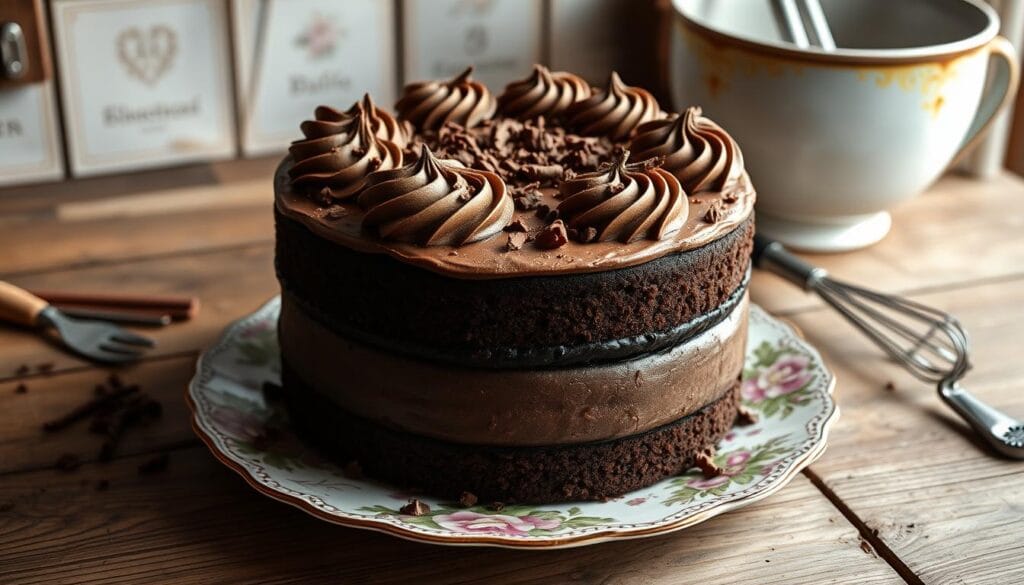
Chocolate Shavings or Curls: For a refined vintage touch, garnish the cake with chocolate shavings or curls. These can be made by running a vegetable peeler over a block of slightly warm chocolate. Scatter them artfully over the top of your frosted cake for an elegant, bakery-worthy finish.
Fruit Garnish: Fresh raspberries or strawberries on top of the frosted cake can add a pop of color and an interesting flavor contrast. The tartness of the berries perfectly complements the rich chocolate. Arrange them in a decorative pattern or scatter them casually for a rustic look.
Whipped Cream: For a lighter finish, pipe whipped cream around the edge of the cake for a soft, nostalgic look. This was extremely popular in the 1920s and adds a beautiful contrast to the dark chocolate. Use a star tip for classic rosettes.
Nuts: Chopped walnuts or pecans can be sprinkled on the sides of the cake, enhancing the texture and flavor. Press them gently into the frosting while it’s still soft. This was a hallmark of vintage cake decorating and adds both visual interest and a delightful crunch.
Dusted Powdered Sugar: For a simpler, more minimalist look, dust the top of your cake with powdered sugar using a fine-mesh sieve. This creates a beautiful, snowy effect that highlights any decorative elements.
Candied Violets or Rose Petals: For a truly authentic 1920s presentation, top your cake with candied violets or rose petals, which were fashionable edible decorations during that era.
Serving Suggestions
This vintage chocolate cake recipe is incredibly versatile and can be served in many delightful ways:
Serve warm or at room temperature – while the cake is delicious at room temperature (which is how it was traditionally served), a slightly warm slice with the frosting just beginning to melt is absolutely divine. Pop a slice in the microwave for 10-15 seconds for this treat.
Pair with coffee, tea, or fresh fruit – the rich chocolate flavor pairs beautifully with a strong cup of coffee or a delicate Earl Grey tea. Fresh berries on the side add a refreshing contrast that cuts through the richness.
Add a dollop of whipped cream or a scoop of ice cream – vanilla ice cream is classic, but for an extra special treat, try it with coffee or mint chocolate chip ice cream. The combination of warm cake and cold ice cream is irresistible.
Serve with milk – in true 1920s fashion, a cold glass of milk alongside your cake slice is the perfect pairing, especially for afternoon snacks or after school treats.
These serving ideas elevate your authentic 1920s chocolate cake experience and make every bite even more memorable. Consider the occasion and your guests’ preferences when deciding how to present this beautiful dessert.
Storage and Reheating Tips
To make your vintage chocolate cake recipe last longer, proper storage is key. Here’s how to keep your cake fresh and delicious:
Storage: Store any leftover cake in an airtight container at room temperature for up to 3 days. The cake actually improves slightly after the first day as the flavors meld together. If you want to keep it longer, wrap it in plastic wrap and refrigerate for up to 5 days. However, avoid the fridge if possible to keep it soft – refrigeration can dry out the cake.
Freezing: You can also freeze the un-frosted cake layers for ultimate convenience. Wrap the cakes tightly in plastic wrap and foil, then store them in the freezer for up to 3 months. This is perfect for planning ahead! Thaw in the refrigerator overnight before frosting and serving. You can also freeze frosted cake slices individually for quick single servings.
Reheating: To reheat, slice the cake and microwave it for 15-20 seconds for a warm treat. If you want to keep the cake moist, place a damp paper towel over the slice before microwaving – this creates steam that keeps the cake from drying out. Alternatively, warm slices in a 300°F oven for 5-7 minutes.
Leftover 1920s recipe for chocolate cake stays moist when stored properly, especially if you keep it covered and away from air exposure. The buttermilk in the recipe acts as a natural preservative, keeping the cake tender for days.
Health & Nutrition Information
A slice of this rich historic chocolate cake recipe is a treat for your taste buds! Here’s the approximate nutrition information per slice (based on 12 servings):
- Calories: 350-400
- Fat: 18g
- Carbohydrates: 50g
- Protein: 4g
- Sugar: 35g
Keep in mind that the frosting will increase the calorie count significantly (adding approximately 100-150 calories per slice), so feel free to adjust based on your dietary preferences. You can use a thinner layer of frosting or even serve the cake with just a dusting of powdered sugar for a lighter option.
Can be made dairy-free or gluten-free with substitutions: This healthier vintage chocolate cake recipe option is perfect for weekend treats while accommodating dietary restrictions. For gluten-free, use a 1:1 gluten-free flour blend. For dairy-free, substitute the buttermilk with coconut milk mixed with lemon juice, and use dairy-free butter in the frosting.
Consider swaps for lower sugar or healthier fats: You can replace half the granulated sugar with coconut sugar for a slightly lower glycemic option, and use coconut oil instead of vegetable oil for healthier fats. These modifications maintain the authentic taste while making the cake slightly more nutritious.
One serving provides a good amount of quick energy from carbohydrates, and the cocoa powder contains antioxidants that are beneficial for heart health. While this is definitely an indulgent dessert, enjoying it in moderation as part of a balanced diet is perfectly fine!
Conclusion
This 1920s recipe for chocolate cake takes us back to a time when desserts were made with care and simple ingredients. The result is a classic, moist, and chocolatey cake that’s perfect for any occasion. Whether you’re making it for a vintage-themed party, a special occasion, or simply to experience history through food, this old-fashioned chocolate cake recipe will leave you craving more.
This 1920s recipe for chocolate cake combines historical charm with a timeless flavor, making it a perfect addition to your baking repertoire. The beauty of this recipe lies not just in its delicious results, but in the connection it creates to bakers of the past. Every time you make this cake, you’re continuing a tradition that spans generations – from the flappers of the Roaring Twenties to modern home bakers who appreciate authentic, time-tested recipes.
By following the steps outlined and using the tips provided, you’ll be able to create a cake that’s both delicious and nostalgic. The tender crumb, rich chocolate flavor, and classic presentation will impress everyone who tries it. Enjoy it with a cup of tea or coffee, and share it with family and friends – just as our great-grandmothers did nearly a century ago!
Make sure to test this recipe and enjoy the rich flavor of the 1920s chocolate cake. Try this 1920s recipe for chocolate cake and let me know how it turned out! You can explore even more creative variations of this recipe by experimenting with frosting and garnishing techniques. Don’t be afraid to make it your own while respecting the vintage foundation.
I’d love to hear about your experience! Please leave a comment below sharing how your cake turned out, rate this recipe, or share photos on social media using #Vintage1920sChocolateCake. Your feedback helps other bakers and keeps these wonderful old recipes alive for future generations. And if you loved this recipe, be sure to check out my other vintage dessert recipes – there’s a whole world of delicious history waiting to be discovered!
FAQ
What is the significance of the 1920s recipe for chocolate cake?
The 1920s chocolate cake recipe is important because it shows how baking at home became popular during a transformative era in American history. It also shows how chocolate went from a rare treat to something everyone could enjoy during the Roaring Twenties, thanks to advances in food production and distribution that made quality cocoa powder accessible to average households.
What makes this recipe an enduring classic?
This recipe has lasted because it’s easy to make and tastes great. It was created in a time when baking was a big part of life and social connection. This makes it a favorite among bakers and dessert lovers today. The simple ingredient list, reliable results, and incredibly moist texture ensure this recipe remains relevant nearly 100 years later.
What vintage tools and equipment are needed to recreate an authentic 1920s recipe for chocolate cake?
To make a real 1920s chocolate cake, you can use old tools like vintage bowls and mixers, traditional pans, and a flour sifter. However, modern equipment works perfectly well! The key is in the technique and ingredients rather than the specific tools. We’ll look at these tools and compare them to what we use today – the good news is that this recipe adapts beautifully to modern kitchens while maintaining its authentic character.
How do the ingredients in the 1920s recipe for chocolate cake differ from modern recipes?
The 1920s recipe uses ingredients that might be harder to find today, such as buttermilk (though it’s making a comeback in stores). We’ll suggest substitutes to keep the recipe true to its roots. The main difference is that vintage recipes relied on simpler, more natural ingredients without the chemical leaveners and preservatives common in modern boxed mixes.
What are the essential steps for mixing the 1920s recipe for chocolate cake batter?
Mixing the batter right is key for a good cake. We’ve talked about the importance of temperature, old-school mixing methods (gentle folding rather than aggressive beating), and mistakes to avoid (like overmixing). The crucial steps include sifting dry ingredients, properly combining wet ingredients, and the unique addition of boiling water that makes this recipe special.
How can I ensure my 1920s chocolate cake turns out perfectly baked?
To bake the cake just right, pay attention to oven temperature (350°F is crucial) and time (30-35 minutes). We’ve also covered how to check if it’s done the old way (the toothpick test is classic for a reason). And we’ve given tips for using modern ovens, including the importance of oven thermometers and understanding that every oven bakes differently.
What types of frosting and decorations were popular in the 1920s?
Back then, classic chocolate buttercream was all the rage, as was simple chocolate ganache. We’ve looked at real frosting recipes and decorating styles from the 1920s, including whipped cream rosettes, chopped nuts pressed into the sides, and fresh fruit garnishes. This will help you make a cake that looks as good as it tastes and stays true to its vintage roots.
How can I serve and store my 1920s chocolate cake?
You can serve and store the cake in old-fashioned ways (room temperature in a cake dome) or modern ones (wrapped and refrigerated). We’ve given tips on serving dishes, garnishes (like a dusting of powdered sugar or fresh berries), and storage methods to keep the cake fresh and tasty for up to 5 days. The cake can also be frozen for up to 3 months.
Can I adapt the 1920s recipe for chocolate cake to meet modern dietary needs?
Yes, your 1920s recipe for chocolate cake can be frozen for up to 2 months! You can also make the cake gluten-free (using 1:1 gluten-free flour) and dairy-free (using coconut milk with lemon juice instead of buttermilk, and dairy-free butter) while keeping its true taste and texture. We’ve shown you how to adjust the recipe and make it bigger or smaller depending on your needs, proving that vintage recipes can absolutely work for modern lifestyles.
Have You Tried Our Recipe?
i tried this recipe and i like it
This recipe is absolutely fantastic! The flavors come together perfectly, and it’s so easy to follow. A delicious meal that’s sure to impress – definitely a keeper!