
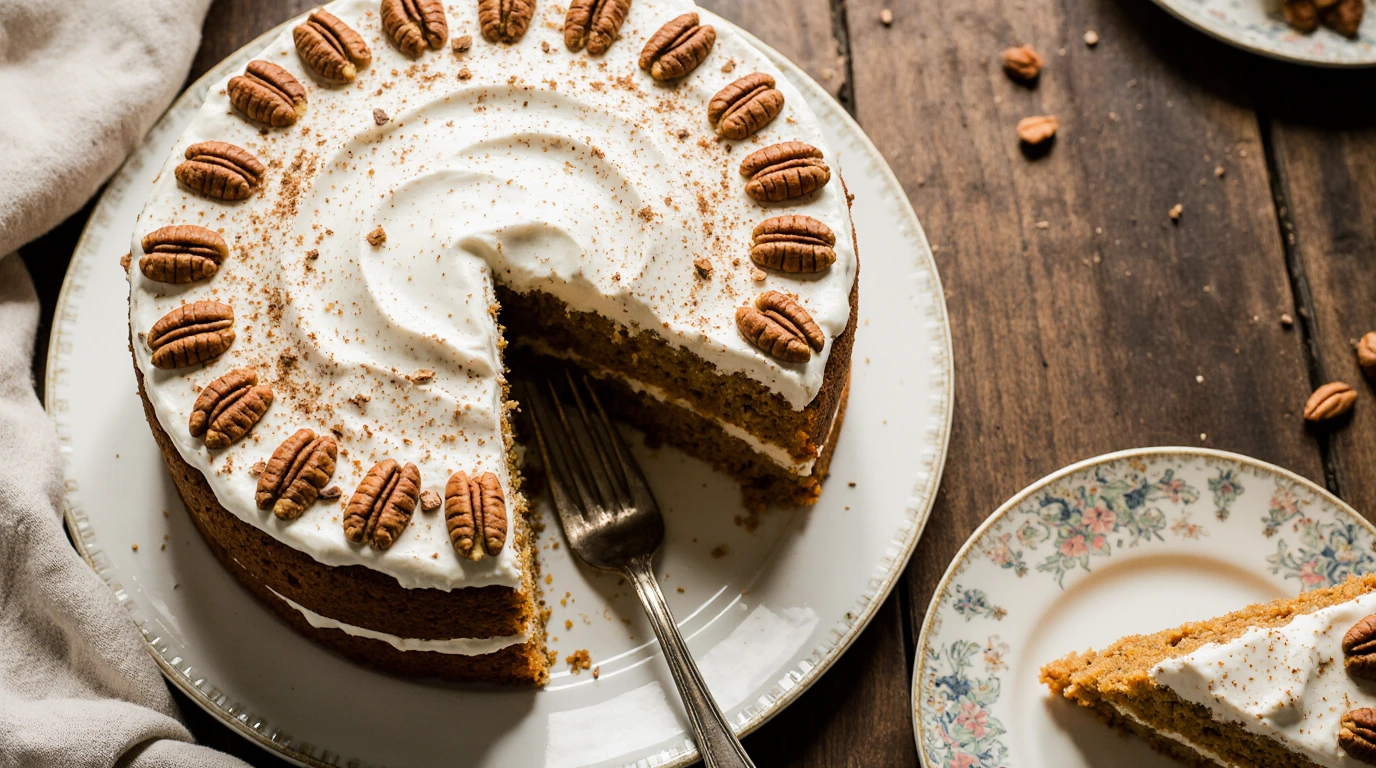
The Ultimate Gluten Free Carrot Cake Recipe (Moist, Delicious & Nobody Can Tell It’s GF!)
Welcome to my kitchen! Today, I’m sharing my gluten free carrot cake recipe, a dessert that’s always a hit at family gatherings and dinner parties. I first tried making this cake for my sister’s birthday a few years ago—she had just gone gluten-free and was missing her favorite desserts. The moment she took that first bite and her eyes lit up, I knew this recipe was a keeper. This best gluten free carrot cake recipe is perfect for anyone who loves tender, spiced cakes packed with flavor and wants something easy, delicious, and fun to bake.
What I love most about this cake is that nobody can tell it’s gluten-free—it’s just as moist and flavorful as traditional carrot cake, if not better! Whether you’re baking for someone with dietary restrictions or simply want to try something new, this easy gluten free carrot cake delivers every single time. The warm spices, sweet carrots, and creamy frosting come together beautifully, creating a dessert that’s perfect for birthdays, holidays, or just because. Let’s dive in and see why this gluten free carrot cake from scratch is a must-try!
Table of Contents
Quick Recipe Facts
Prep Time: 20 minutes
Cook Time: 35 minutes
Total Time: 55 minutes (plus cooling)
Servings: 12 slices
Difficulty: Easy
Calories: ~320 per slice (with frosting)
Friendly touch: This recipe is surprisingly quick and easy – perfect for busy afternoons when you’re craving something homemade and special!
Tip: Prep your ingredients for a smooth moist gluten free carrot cake experience. Having everything measured and ready makes the process so much more enjoyable.
Ingredients
For this gluten free carrot cake, you’ll need the following ingredients. The beauty of this recipe is its flexibility—you can swap vegetable oil with melted coconut oil for a lighter, more nutritious version. Brown sugar adds a rich, caramel flavor that makes your cake incredibly moist and delicious, though you can use regular granulated sugar if that’s what you have on hand.
For the Cake:
- 2 cups gluten-free all-purpose flour blend (with xanthan gum)
- 2 teaspoons baking powder
- 1½ teaspoons baking soda
- 1 teaspoon salt
- 2 teaspoons ground cinnamon
- ½ teaspoon ground nutmeg
- ¼ teaspoon ground ginger
- 4 large eggs, room temperature
- 1 cup granulated sugar
- ½ cup packed brown sugar
- 1 cup vegetable oil (or melted coconut oil)
- 2 teaspoons vanilla extract
- 3 cups finely grated carrots (about 4-5 medium carrots)
- ½ cup crushed pineapple, drained (optional, but adds moisture)
- ½ cup chopped walnuts or pecans (optional)
For the Cream Cheese Frosting:
- 8 oz cream cheese, softened
- ½ cup unsalted butter, softened
- 4 cups powdered sugar
- 2 teaspoons vanilla extract
- Pinch of salt
Note: Make sure your gluten-free flour blend includes xanthan gum or guar gum—this helps bind the cake and gives it that perfect texture. I’ve tested this homemade gluten free carrot cake with several brands, and they all work beautifully as long as they contain a binding agent.
Instructions
Step 1: Prep Your Workspace
Preheat your oven to 350°F (175°C). This helps your gluten free carrot cake bake evenly and develop that lovely golden top. Grease two 9-inch round cake pans and line the bottoms with parchment paper. Trust me, the parchment paper makes removing the cakes so much easier—I learned this the hard way!
Step 2: Mix the Dry Ingredients
In a large bowl, whisk together the gluten-free flour, baking powder, baking soda, salt, cinnamon, nutmeg, and ginger. For a soft, tender cake, make sure these ingredients are well combined but don’t overmix. Set this bowl aside.
Step 3: Combine the Wet Ingredients
In another large bowl, beat the eggs with both sugars using an electric mixer on medium speed for about 2 minutes, until the mixture is light and fluffy. This step is crucial for creating a moist gluten free carrot cake with great texture. Slowly drizzle in the oil while continuing to beat, then add the vanilla extract. The mixture should look smooth and well emulsified.
Step 4: Bring It All Together
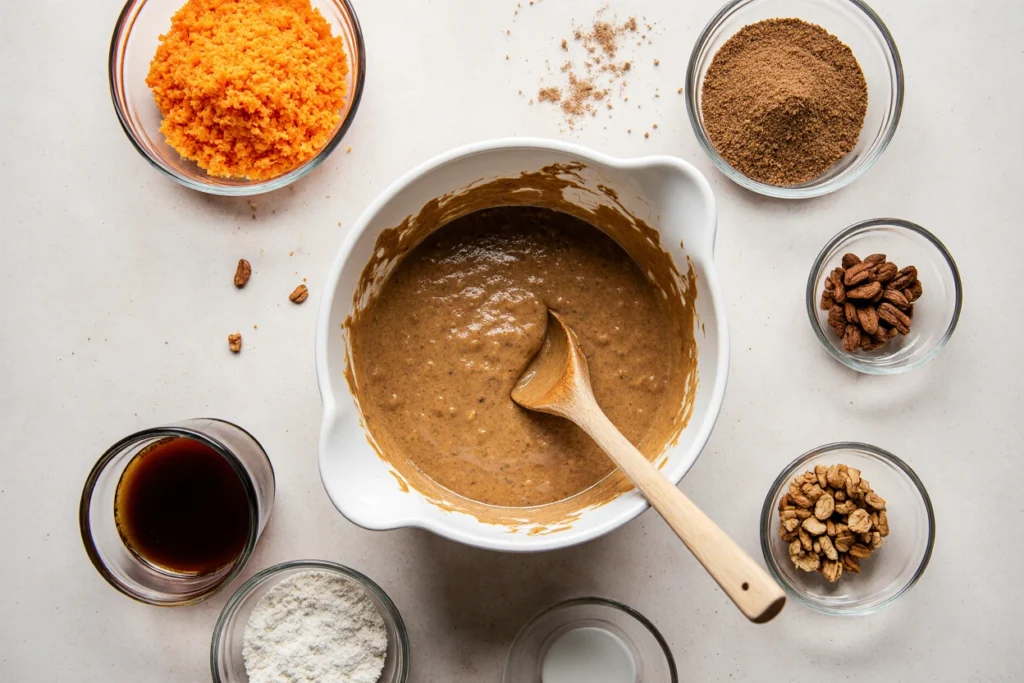
Gently fold the dry ingredients into the wet ingredients using a wooden spoon or rubber spatula. I like using a wooden spoon for this part; it just works better and helps prevent overmixing. Mix until just combined—you should still see a few small streaks of flour. Now fold in the grated carrots, drained pineapple (if using), and nuts (if using). The batter will be thick and wonderfully fragrant.
Step 5: Bake to Perfection
Divide the batter evenly between your prepared pans. Smooth the tops with a spatula. Bake for 30-35 minutes, or until a toothpick inserted into the center comes out clean or with just a few moist crumbs. The tops should spring back when lightly pressed. Let the cakes cool in the pans for 10 minutes, then carefully turn them out onto wire racks to cool completely before frosting.
Step 6: Make the Cream Cheese Frosting
While the cakes cool, prepare your gluten free carrot cake with cream cheese frosting. In a large bowl, beat the softened cream cheese and butter together until smooth and creamy, about 2-3 minutes. Gradually add the powdered sugar, one cup at a time, beating well after each addition. Add the vanilla and salt, then beat on high speed for another minute until the frosting is light and fluffy.
Step 7: Assemble and Frost
Once the cakes are completely cool (this is important—warm cakes will melt the frosting!), place one layer on your serving plate. Spread about 1 cup of frosting evenly over the top. Place the second layer on top and frost the top and sides of the entire cake. You can keep it rustic with simple swirls or make it fancy with decorative piping—both ways are delicious!
Pro Tips
Tip 1: Don’t skip grating your own carrots fresh. Pre-shredded carrots from the bag are usually too dry and don’t add the same moisture to your simple gluten free carrot cake. Plus, freshly grated carrots have so much more flavor.
Tip 2: Use room temperature eggs and dairy for the best texture. Cold ingredients don’t blend as smoothly, which can affect the final crumb of your cake. I usually set mine out about 30 minutes before baking.
Tip 3: If you’re looking for a healthy gluten free carrot cake twist, swap half the oil with unsweetened applesauce and use coconut sugar instead of white sugar. The cake will be slightly denser but still incredibly delicious and moist.
Tip 4: Grease your pans thoroughly and use parchment paper rounds on the bottom. This makes a huge difference when it’s time to remove the cakes—trust me on this one! Nothing’s worse than a broken cake layer.
Tip 5: For an extra flavor boost, toast your nuts before adding them to the batter. Just 5 minutes in a 350°F oven brings out their natural oils and makes them incredibly fragrant.
Tip 6: If making a gluten free carrot sheet cake instead, use a 9×13-inch pan and bake for 35-40 minutes. Sheet cakes are perfect for potlucks and feeding a crowd!
Serving Suggestions
This gluten free carrot cake recipe easy to customize for any occasion! Serve it at room temperature for the best flavor and texture—the spices really shine through when the cake isn’t cold.
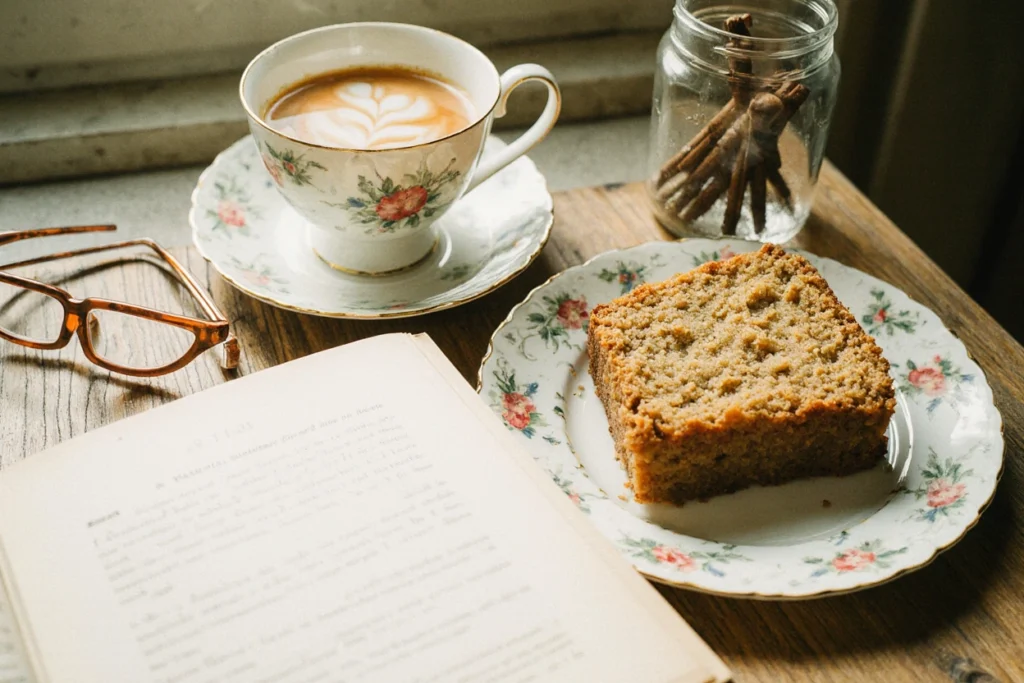
Pair your slice with a hot cup of coffee or spiced chai tea for an afternoon treat that feels extra special. The warm spices in the cake complement these beverages perfectly. For an elegant dessert presentation, add a dollop of freshly whipped cream on the side or a small scoop of vanilla ice cream. The cool creaminess contrasts beautifully with the spiced cake.
If you’re serving this for a special occasion, consider garnishing each slice with a sprinkle of chopped pecans, a light dusting of cinnamon, or even some candied carrot ribbons for a stunning presentation. Fresh berries on the side also add a lovely pop of color and freshness.
These serving ideas elevate your best gluten free carrot cake recipe experience and make it feel like something from a fancy bakery—except you made it yourself!
Storage & Reheating
Leftover gluten free carrot cake stays moist and delicious when stored properly. Keep the frosted cake in an airtight container or covered with plastic wrap at room temperature for up to 3 days. The cream cheese frosting is stable at room temperature for this period, though if your kitchen is very warm, you might want to refrigerate it.
If you do refrigerate the cake, let it sit at room temperature for about 30 minutes before serving so the frosting softens and the flavors come through fully. Cold cake just doesn’t taste as good!
For longer storage, you can freeze unfrosted cake layers wrapped tightly in plastic wrap and then in aluminum foil for up to 3 months. Thaw overnight in the refrigerator before frosting and serving. I often make a double batch and freeze the extra layers—it’s like having homemade cake on standby!
The cream cheese frosting can also be made ahead and refrigerated for up to a week. Just let it come to room temperature and give it a quick whip with the mixer before using.
Health & Nutrition Info
This gluten free carrot cake no mixer required version (if you prefer mixing by hand!) can be adapted to fit various dietary needs. The recipe is naturally gluten-free, making it perfect for those with celiac disease or gluten sensitivity.
Want to make it dairy-free too? Use dairy-free cream cheese and butter alternatives in the frosting—there are some excellent options available now that taste just as rich and creamy as the traditional versions.
One serving of this cake with frosting contains approximately 320 calories, though this varies depending on portion size and whether you include the optional nuts and pineapple. The carrots add fiber, vitamin A, and natural sweetness, while the nuts (if you include them) provide healthy fats and protein.
For a lighter version, you can reduce the oil to ¾ cup and add ¼ cup of unsweetened applesauce, or use half the frosting for a less sweet but still delicious cake. This healthy gluten free carrot cake option is perfect for weekend treats when you want to indulge but still keep things relatively balanced.
The spices—cinnamon, nutmeg, and ginger—aren’t just for flavor; they also provide antioxidants and anti-inflammatory benefits. Isn’t it nice when something delicious is also good for you?
Conclusion
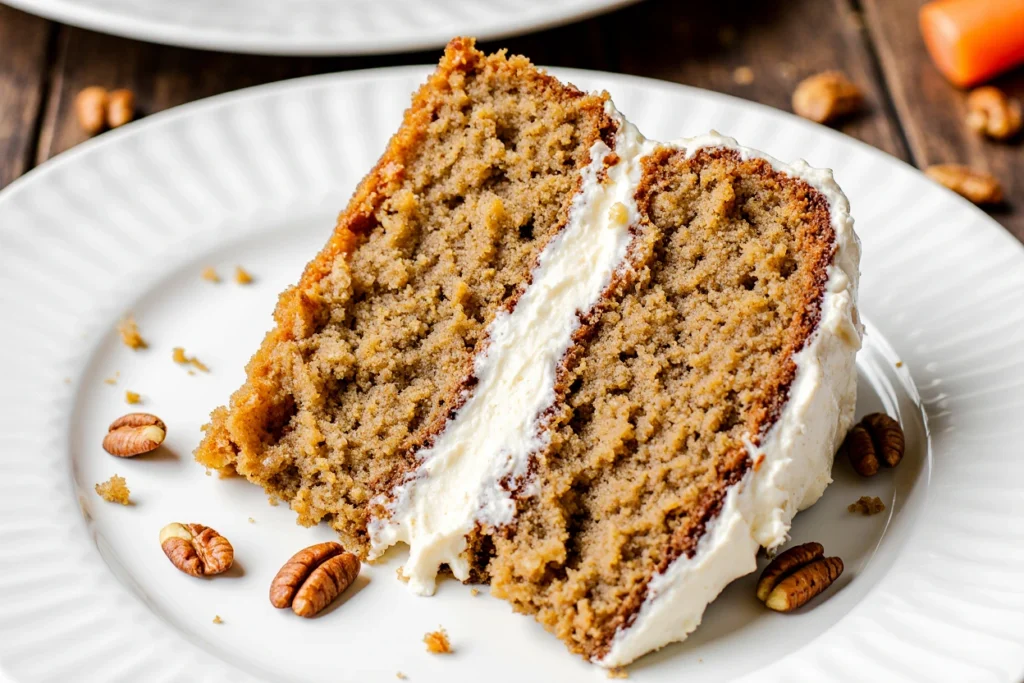
There you have it—my tried-and-true gluten free carrot cake that’s perfect for any occasion! This cake is everything you want in a dessert: moist, flavorful, beautifully spiced, and topped with luscious cream cheese frosting. Whether you’re baking for someone who needs gluten-free options or simply want to try something delicious and homemade, this recipe delivers every single time.
What I love most about this how to make gluten free carrot cake is how approachable it is. You don’t need any fancy equipment or hard-to-find ingredients—just a couple of bowls, a whisk, and some love. The end result looks and tastes like something from a professional bakery, but you get the satisfaction of knowing you made it yourself.
Try this gluten free carrot cake from scratch and let me know how it turned out! I’d love to hear about your experience in the comments below. Did you add any fun variations? Did your family love it as much as mine does? Don’t forget to rate the recipe and share a photo on social media—tag me so I can see your beautiful creations!
If you loved this recipe, be sure to check out my other gluten-free desserts: Gluten Free Chocolate Chip Cookies, Gluten Free Banana Bread, and Gluten Free Lemon Bars. Happy baking!
FAQ
Can I freeze this gluten free carrot cake?
Yes! Your gluten free carrot cake can be frozen for up to 3 months. I recommend freezing the unfrosted cake layers wrapped tightly in plastic wrap and aluminum foil. Thaw them in the refrigerator overnight, then bring to room temperature and frost before serving. You can also freeze individual frosted slices—just wrap them well and thaw as needed for a quick treat.
What if I don’t have gluten-free flour blend?
The flour blend is really essential for this recipe to work properly. Regular all-purpose flour won’t work as a substitute if you need the cake to be gluten-free. However, if you’re not concerned about gluten, you can use regular all-purpose flour in the same amount. Just note that the texture will be slightly different. For a gluten-free version, I recommend Bob’s Red Mill 1-to-1 Baking Flour or King Arthur Measure for Measure Flour.
Can I make this cake ahead of time?
Absolutely! This moist gluten free carrot cake actually tastes even better the next day as the flavors have time to develop and meld together. You can bake the cake layers up to 2 days ahead, wrap them tightly, and store at room temperature. Frost the cake the day you plan to serve it, or frost it up to 24 hours in advance and keep it covered at room temperature or in the fridge.
How can I adjust the sweetness?
If you prefer a less sweet cake, you can reduce the sugar in the cake batter to 1¼ cups total (instead of 1½ cups). For the frosting, you can cut back the powdered sugar to 3 cups instead of 4, though it will be slightly less thick. The natural sweetness from the carrots and optional pineapple also helps, so you have some flexibility here.
Can I make this as cupcakes instead?
Yes! This easy gluten free carrot cake recipe makes about 24 cupcakes. Fill cupcake liners about ⅔ full and bake at 350°F for 18-22 minutes, or until a toothpick comes out clean. Cupcakes are perfect for parties and portion control!
What’s the best way to grate carrots?
I prefer using the medium holes on a box grater for the perfect texture—not too chunky, not too fine. A food processor with a grating attachment also works beautifully and saves time. Just make sure the carrots are finely grated so they distribute evenly throughout the cake and don’t create dense pockets.
My cake turned out dense. What happened?
Dense gluten-free cakes usually result from overmixing the batter or using flour that’s packed too tightly. Make sure you’re measuring your flour by spooning it into the measuring cup and leveling off, not scooping directly from the bag. Also, mix just until the ingredients are combined—overmixing develops too much structure and can make the cake tough.
Have You Tried Our Recipe?
There are no reviews yet. Be the first one to write one.