

Easy Madeline Cookies Recipe Using Cream | Homemade Treats
The scent of freshly baked madeleines fills the air. The delicate crumb melts in your mouth. And the comforting sip of a warm beverage brings back memories of Parisian cafés. As a home baker, I’ve mastered making these classic French treats. Today, I’m excited to share my easy Madeline cookies recipe using cream with you.
Madeleines hold a special place in my heart. They’re not just delicious but also bring back memories. These small shell-shaped cakes have been loved in France for centuries. Now, you can make them in your kitchen with just a few ingredients and some care. Whether you’re an experienced baker or just starting out, this recipe will guide you through every step of creating these elegant French pastries. The addition of heavy cream gives these madeleines an incredibly moist texture and rich flavor that sets them apart from traditional recipes. I promise you, once you try these homemade madeline cookies, you’ll never look at store-bought versions the same way again!
What makes this recipe truly special is how approachable it is. You don’t need fancy equipment or hard-to-find ingredients – just your standard baking essentials and a madeleine pan. The process is surprisingly straightforward, and the results are absolutely stunning. These delicate treats are perfect for afternoon tea, special occasions, or simply when you want to treat yourself to something extraordinary. Let’s dive in and discover why this madeline cookies recipe using cream is a must-try for any baking enthusiast!
Table of Contents
Quick Recipe Facts
- Prep Time: 15 minutes (plus 3 hours chilling time)
- Cook Time: 10-12 minutes
- Total Time: 3 hours 25 minutes
- Servings: 24 madeleines
- Difficulty: Easy to Medium
- Calories: 150-180 kcal per serving
This recipe is surprisingly manageable once you understand the key techniques – perfect for impressing guests or enjoying a quiet afternoon of baking! The chilling time is hands-off, so you can prep your ingredients for a smooth madeline cookies experience and let the batter work its magic in the fridge.
Main Ingredients
For this madeline cookies recipe using cream, you’ll need the following ingredients. These simple components come together to create something truly magical. You can swap regular butter with browned butter for an even richer, nuttier flavor that makes your madeline cookies absolutely irresistible. The heavy cream adds moisture and creates that tender, melt-in-your-mouth texture that makes these French treats so beloved.
Essential Ingredients:
- Unsalted Butter: 2/3 cups (150g) – Using unsalted butter gives you better control over the salt content
- Eggs (large): 3 – Make sure they’re at room temperature for the best texture
- Granulated Sugar: 3/4 cup (150g) – This sweetens and helps create that beautiful golden exterior
- Vanilla Extract: 1 teaspoon – Pure vanilla extract works best for authentic flavor
- All-Purpose Flour: 1 2/3 cups (200g) – The foundation of your madeline cookies
- Baking Powder: 2 teaspoons (8g) – This helps achieve that signature hump
- Heavy Cream: 1/4 cup – The secret ingredient for extra moisture and richness
- Kosher Salt: 1/4 teaspoon – Balances the sweetness perfectly
- Powdered Sugar for dusting – The classic finishing touch
With these ingredients, you can create delicious madeline cookies that will wow your guests. Each component plays a crucial role in achieving the perfect texture, flavor, and appearance. The beauty of this recipe is that most of these ingredients are probably already in your pantry, making it easy to whip up a batch whenever the craving strikes!
Preparation Steps in Detail
Here is a detailed guide to making the perfect madeline cookies. Take your time with each step – the process is just as rewarding as the final result!
Step 1: Mix the Dry Ingredients
Start by mixing 1 2/3 cups of all-purpose flour and 2 teaspoons of baking powder in a bowl. This will ensure the dry ingredients are evenly combined before incorporating them into the wet mixture. I like to use a whisk for this part; it just works better to eliminate any lumps and ensures your madeline cookies will have a perfectly smooth texture.
Step 2: Prepare the Wet Ingredients
Beat 3 large eggs and 3/4 cup of granulated sugar in a mixing bowl until light and fluffy. This step is important – you want the mixture to become pale and voluminous, which usually takes about 3-4 minutes with an electric mixer. Then, add 1 teaspoon of vanilla extract, 1/2 cup of melted unsalted butter, 1/4 cup of heavy cream, and 1/4 teaspoon of coarse kosher salt. Mix until well combined. The batter should look smooth and glossy at this point.
Step 3: Combine Wet and Dry Ingredients
Gently fold the dry ingredients into the wet mixture. Be careful not to overmix, as this can result in a dense texture. Use a spatula and fold in a gentle circular motion, scraping from the bottom of the bowl upward. Once everything is combined, cover the bowl and refrigerate the batter for at least 3 hours (or overnight for even better flavors). This chilling step is absolutely crucial – it helps your madeline cookies develop that iconic hump and ensures a tender crumb.
Step 4: Prepare the Madeleine Pan
Grease the madeleine pan well, ensuring each shell-shaped mold is coated with butter. You can dust with flour or use non-stick spray to ensure easy release after baking. It’s important to chill the pan before adding the batter. I usually pop mine in the freezer for about 15 minutes while the oven preheats. This temperature contrast is part of what creates that beautiful dome on top of your madeleines.
Step 5: Bake the Madeleines
Preheat the oven to 350°F (175°C). Once the pan is chilled and the batter is ready, fill each madeleine mold about 3/4 full with batter. You can use a spoon, but I find a piping bag or a ziplock bag with the corner snipped off gives the most control and keeps things neat. Bake for 10-12 minutes, or until the edges are golden brown. The centers should spring back lightly when touched. Don’t open the oven door during the first 8 minutes of baking – this helps maintain the temperature needed for that perfect rise.
Step 6: Cool and Serve
Once baked, allow the madeleines to cool in the pan for a few minutes before removing them. They should release easily if you’ve prepared the pan properly. Dust with powdered sugar and serve warm for the best taste. There’s something absolutely magical about enjoying a madeleine while it’s still slightly warm – the texture is at its absolute peak!
Enjoy these madeline cookies recipe using cream with a cup of tea or coffee for a delightful treat. The subtle sweetness and buttery flavor pair beautifully with both black coffee and delicate teas.

Pro Tips for Perfect Madeleines
Tip 1: Chill the Batter
Chilling the batter is crucial to achieving the classic madeleine hump. It allows the batter to set, making it easier for the cookies to rise during baking. Don’t skip this step – it’s the difference between good madeleines and absolutely spectacular ones. If you’re really pressed for time, a minimum of 30 minutes will work, but 3 hours or overnight truly gives you the best results.
Tip 2: Temperature Control
For the best texture and shape, ensure your oven temperature is accurate. Start with a high temperature (425°F/220°C) and then reduce it to 375°F (190°C) after placing the batter in the pan. This sudden temperature change helps the cookies rise quickly. If you have an oven thermometer, use it – oven temperatures can be surprisingly inaccurate, and precision matters for these delicate treats.
Tip 3: Brown the Butter
For an even richer flavor, brown the butter before adding it to the batter. This adds a nutty, caramelized taste that will elevate your madeleines to restaurant-quality level. To brown butter, simply melt it in a light-colored pan over medium heat, swirling occasionally, until it turns golden brown and smells nutty. Let it cool slightly before using.
Tip 4: Proper Pan Preparation
Make sure your madeleine pan is properly prepared. For metal pans, grease each well with melted butter and dust with flour. Non-stick pans may require only a light spray of baking spray. Trust me, taking an extra minute here saves you from the heartbreak of madeleines that stick and break apart when you try to remove them.
Tip 5: Use Room Temperature Eggs
Room temperature eggs incorporate more easily into the batter and create more volume when beaten with sugar. Take them out of the refrigerator about 30 minutes before you start baking. This small step makes a noticeable difference in the final texture of your madeline cookies.
Tip 6: Don’t Overfill the Molds
Fill each mold only about 3/4 full. The batter will rise and expand during baking, and overfilling can cause madeleines to lose their distinctive shell shape or overflow into neighboring molds. A little restraint here ensures picture-perfect results every time.
Serving Suggestions
These madeline cookies are incredibly versatile when it comes to serving. Here are some delightful ways to enjoy them:
- Serve warm or at room temperature – Both are delicious, though I’m partial to eating them slightly warm when the butter is at its most fragrant
- Pair with coffee, tea, or fresh fruit – The delicate flavor complements everything from bold espresso to subtle green tea
- Add a dollop of whipped cream or a scoop of ice cream – This transforms your madeleines into an elegant dessert
- Arrange on a pretty platter with fresh berries – Perfect for afternoon tea parties or brunch gatherings
- Dip in melted chocolate – For an extra-indulgent treat that looks bakery-professional
These serving ideas elevate your madeline cookies experience and make them suitable for any occasion, from casual coffee breaks to formal celebrations. The beauty of madeleines is their elegant simplicity – they’re impressive enough for guests yet comforting enough for everyday enjoyment.
Storage and Reheating Information
If you need to store your madeline cookies, follow these guidelines to maintain their delicate texture and flavor:
Storage:
After the madeleines have cooled completely, store them in an airtight container. Use parchment paper between layers to prevent them from sticking together. This keeps them protected while maintaining their distinctive shell shape.
Shelf Life:
Madeleines are best enjoyed fresh, but you can store them for up to 3 days at room temperature. For longer storage, freeze them for up to 2 months. Thaw at room temperature before serving. The texture will be nearly as good as fresh-baked, especially if you follow the reheating instructions below.
Reheating:
To bring madeleines back to their best, lightly reheat them in the oven at 300°F (150°C) for 5 minutes. This helps restore their soft texture and brings back that just-baked aroma. Avoid the fridge to keep them soft – refrigeration can actually make them dry out faster.
Leftover madeline cookies stay moist when stored properly in an airtight container. The key is keeping air exposure to a minimum and avoiding humidity, which can make them soggy. If you’re planning to freeze them, wrap them individually in plastic wrap before placing in a freezer bag for the best protection against freezer burn.
Common Problems and Solutions
Here are some common issues you may face when baking madeleines, along with their solutions. Don’t worry if you encounter these – they’re all easily fixable!
Problem: No Hump on the Madeleines
This occurs if the batter isn’t chilled enough or the oven temperature isn’t properly controlled. Ensure the batter is chilled for at least 30 minutes and follow the correct temperature shock technique. The contrast between cold batter and hot oven is what creates that signature bump.
Problem: Overbaking
Overbaking can lead to dry, tough madeleines. Monitor the baking time closely, as madeleines only need 10-12 minutes. Remove them as soon as they turn golden brown around the edges. The centers might look slightly underdone, but they’ll continue cooking in the residual heat of the pan.
Problem: Sticking to the Pan
If the madeleines stick to the pan, you may not have greased it well enough. Be sure to butter and flour the pan thoroughly, or use non-stick spray. Let the madeleines cool slightly before removing them – about 2-3 minutes is perfect. They’ll firm up just enough to release cleanly but won’t stick.
Problem: Dense or Dry Texture
If your madeleines turn out too dense or dry, you may need to adjust the ingredient ratios. Adding a bit more heavy cream or milk can improve the moisture and texture. Also check that you’re not overmixing the batter – this develops too much gluten and creates a tough texture. Fold gently until just combined.
Problem: Uneven Baking
If some madeleines are darker than others, your oven might have hot spots. Rotate the pan halfway through baking for more even results. An oven thermometer can also help you identify if your oven runs hot or cold.
Innovative Garnishing Ideas
Madeleines are delicious on their own, but adding a creative garnish can elevate their presentation and make them even more special for entertaining:
Toasted Nuts:
Garnish with chopped toasted almonds, hazelnuts, or pistachios for a delightful crunch. The nutty flavor complements the buttery madeleines beautifully and adds visual interest with their golden-brown color.
Powdered Sugar:
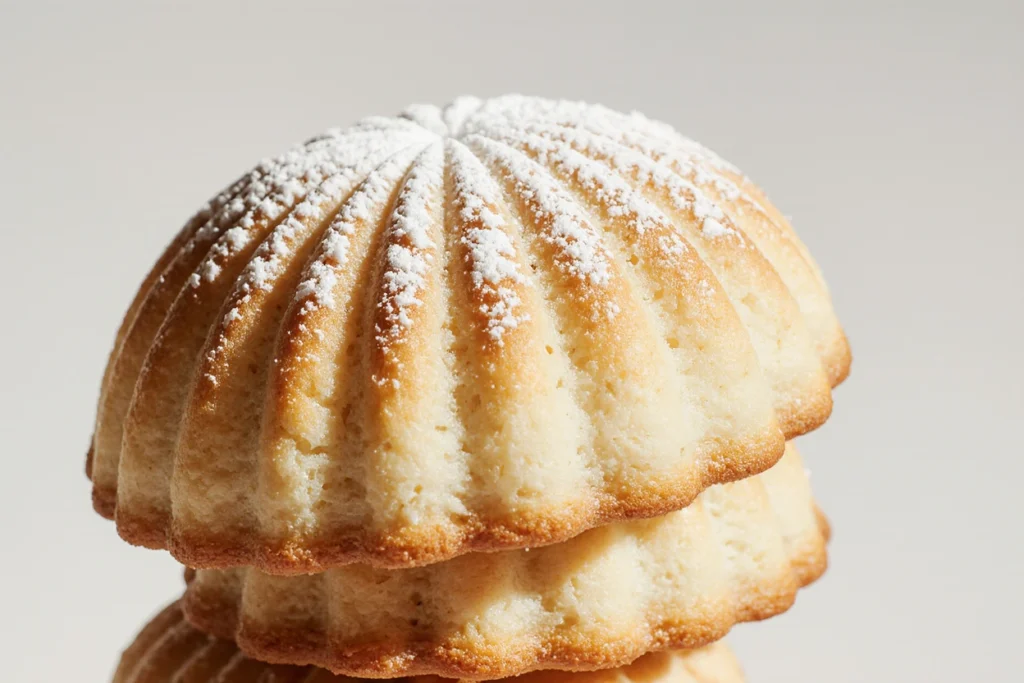
Dusting with powdered sugar is a classic way to finish off your madeleines for a light and elegant touch. Use a fine-mesh sieve for the most delicate, even coating. This is the traditional French approach and it never goes out of style.
Whipped Cream:
Serve with freshly whipped cream for a rich, indulgent treat. You can even flavor the whipped cream with vanilla, citrus zest, or a touch of liqueur for grown-up gatherings.
Chocolate Drizzle:
A drizzle of dark chocolate or white chocolate can add a decadent twist to your madeline cookies. Melt the chocolate gently and use a fork or piping bag to create elegant patterns across the ridged surface.
Fresh Fruit Compote:
Pairing madeleines with a spoonful of seasonal fruit compote, such as berries or citrus, adds both color and flavor. The tartness of the fruit balances the buttery sweetness of the cookies perfectly.
Lemon Glaze:
A simple glaze made from powdered sugar and fresh lemon juice adds a bright, citrusy note that’s especially refreshing in warmer months.
Honey and Sea Salt:
Drizzle with honey and sprinkle with a tiny pinch of flaky sea salt for a sophisticated sweet-and-savory combination that’s incredibly addictive.
These garnishing ideas let you customize your madeline cookies recipe using cream for any occasion or preference, transforming these simple treats into show-stopping desserts!
Nutrition Information (Per Serving)
Here’s an approximate nutritional breakdown for one serving of madeline cookies (based on a standard serving size of one madeleine):
- Calories: 150-180 kcal
- Carbohydrates: 20-25g
- Protein: 2g
- Fat: 8-10g
- Sodium: 75-100mg
- Sugar: 10-12g
- Fiber: 0.5g
These values may vary based on specific ingredients and portion sizes, but they provide a general idea of the nutritional content. While madeleines are certainly a treat rather than health food, they’re portion-controlled by nature, which helps with mindful enjoyment. You can make this healthier madeline cookies option by reducing sugar slightly or using alternative sweeteners, though this may affect the texture and browning.
Conclusion
Making the perfect madeline cookies is a fun journey. It mixes French cooking traditions with new baking methods. This recipe uses cream for a moist, rich texture that’s true to the classic madeline. With a bit of care and creativity, you can make these French treats at home. They have a special shell shape and a unique hump.
Whether you stick to traditional flavors or try new ones, these cookies will wow you and your guests. By learning how to prepare your baking tools, control the temperature, and get the batter just right, you’ll make cookies as good as those in Parisian cafés. The process might seem intricate at first, but once you’ve made them a few times, you’ll find your rhythm and discover little personal touches that make them uniquely yours.
So, enjoy the madeline’s simplicity and its elegant charm. Start your baking adventure with this madeline cookies recipe using cream and the tips from this guide. These delightful treats are perfect for any occasion – from quiet Sunday mornings to festive celebrations. Try this madeline cookies recipe and let me know how it turned out! Share your creations with friends and family, and don’t be surprised when they ask for the recipe. There’s something truly special about homemade madeleines that store-bought versions simply can’t replicate.
I’d love to hear about your baking experience! Leave a comment below sharing how your madeleines turned out, any creative flavor variations you tried, or questions you might have. Don’t forget to rate this recipe and share it on your social media – your fellow baking enthusiasts will thank you! If you enjoyed this recipe, be sure to check out our other French pastry recipes and dessert ideas. Bon appétit!
FAQ
Can I freeze this recipe?
Yes, your madeline cookies can be frozen for up to 2 months. Make sure they’re completely cooled first, then wrap them individually in plastic wrap before placing in a freezer bag. This prevents freezer burn and keeps them fresh. Thaw at room temperature for about 30 minutes before serving, or warm them briefly in the oven for that fresh-baked taste.
What are the key ingredients for making madeleines?
To make madeleines, you need 1/2 cup of butter, 3 large eggs at room temperature, and 3/4 cup of sugar. Also, add 1 teaspoon of vanilla extract, 1 2/3 cups of flour, and 2 teaspoons of baking powder. Don’t forget the heavy cream – it’s what makes this recipe special!
What if I don’t have a madeleine pan?
While the distinctive shell shape is part of what makes madeleines special, you can bake this batter in a mini muffin tin in a pinch. The texture and flavor will still be delicious, though you’ll miss out on the iconic ridged appearance. If you plan to make madeleines regularly, investing in a good-quality pan is worth it.
Can I make the batter ahead of time?
Absolutely! In fact, the batter benefits from resting. You can refrigerate it for up to 24 hours before baking. This makes it perfect for entertaining – prep the day before and bake fresh when guests arrive. Just give the batter a gentle stir before piping into the molds.
What tools and equipment are needed for baking madeleines?
You’ll need a madeleine pan with shell-shaped molds. Also, get mixing bowls, measuring cups and spoons, a whisk, and a spatula. Don’t forget piping bags or ziplock bags and a cooling rack. A fine-mesh sieve for dusting powdered sugar is also handy, though not essential.
How do you achieve the signature madeleine hump?
The hump comes from temperature shock. Chill the batter and pan, then heat the oven high. Lower the heat when adding the madeleines. This makes the batter rise and form the hump. The contrast between the cold batter hitting the hot oven creates rapid steam, which pushes up the center of each madeleine.
How can I adjust the sweetness?
If you prefer less sweet treats, you can reduce the granulated sugar by 2-3 tablespoons. Keep in mind that sugar also affects browning and texture, so don’t reduce it by more than about 25%. You can also skip the powdered sugar dusting if you want a less sweet finish.
Can you experiment with different flavors in madeleines?
Yes, you can try different flavors! Add citrus zest, spices, extracts, or unsweetened cocoa powder. This lets you create unique madeleines. Lemon zest is particularly classic, while orange or almond extract offers delicious variations. For chocolate madeleines, replace 2 tablespoons of flour with cocoa powder.
How do you prevent madeleines from sticking to the pan?
To avoid sticking, brush the pan with melted butter and dust with flour for metal pans. For silicone molds, lightly spray with baking spray. Make sure to get into all the ridges of the shell shape. Let the baked madeleines rest in the pan for 2-3 minutes before attempting to remove them.
Why did my madeleines turn out flat?
Flat madeleines usually result from batter that wasn’t chilled long enough, insufficient baking powder, or oven temperature that’s too low. Make sure your baking powder is fresh (it loses potency over time) and that you’re chilling both the batter and the pan before baking.
Can I make these dairy-free or gluten-free?
For dairy-free madeleines, substitute the butter with melted coconut oil and use coconut cream instead of heavy cream. For gluten-free versions, use a 1:1 gluten-free flour blend, though the texture may be slightly different. Both substitutions work, but the classic recipe truly delivers the best results.
Have You Tried Our Recipe?
There are no reviews yet. Be the first one to write one.